Superior Performance: Moisture Resistance and Structural Durability of PVC Wall Panels
Water Absorption Rates: PVC Wall Panel (<0.1%) vs. Gypsum Board (8-12%)
PVC wall panels basically won't let water through at all, taking in less than 0.1% moisture compared to gypsum board which soaks up around 8-12%. That makes a huge difference when it comes to problems we see in damp areas. These panels don't swell or warp over time, and they definitely won't grow mold like we often find in places where humidity runs high such as restaurant kitchens or hospital rooms. Gypsum is different because it's full of tiny holes that let water in. Bacteria love those gaps and the material itself starts breaking down after a while. Something interesting happens when gypsum gets really wet too it loses about 40% of what it can hold up without support. PVC doesn't have this problem though, staying strong even when exposed to moisture for extended periods.
| Property | PVC Wall Panel | Gypsum Board |
|---|---|---|
| Water Absorption Rate | <0.1% | 8-12% |
| Mold Resistance | High (non-porous) | Low (porous) |
| Structural Integrity (wet) | Maintains 100% | Loses ≤40% |
This performance eliminates recurring moisture-related repairs and the need for separate vapor barriers—common requirements with gypsum systems.
Impact Resistance and Crack Prevention in High-Traffic Commercial Interiors
PVC panels can take roughly double the impact force compared to gypsum before showing any surface damage, all because of that flexible polymer stuff they're made from. We see this kind of durability making a real difference in places like school hallways, shopping centers, and office corridors where there's constant traffic. Carts rolling by, people bumping into walls, equipment getting moved around day after day – none of it leaves behind those annoying dents or cracks that plague gypsum surfaces. When something hits a PVC panel, the stress spreads out across the whole surface instead of concentrating in one spot like what happens with brittle gypsum materials. And let's talk about those taped joints on gypsum boards for a second. They always seem to break first when there's regular wear and tear. Not so with interlocked PVC panels though. These stay intact without gaps or seams even after years of being pushed against and bumped into. Facility managers report seeing about half as many repair calls needed in buildings using PVC panels, which is pretty significant considering how much time and money gets spent fixing damaged walls in commercial environments. This matters especially in cleanrooms and medical facilities where maintaining sterile conditions between repairs is absolutely critical.
Faster Installation and Lower Lifecycle Costs with PVC Wall Panels
40% Reduction in Labor Time vs. Gypsum Taping, Mudding, and Sanding
PVC wall panels streamline installation through integrated tongue-and-groove systems and direct stud mounting—eliminating backer boards, taping, mudding, and sanding. Industry benchmarks confirm a 40% reduction in labor hours compared to traditional gypsum workflows. Lightweight construction and standardized sizing further accelerate project timelines, freeing contractors to focus on value-driving tasks.
15-Year ROI Analysis: Maintenance, Repair, and Replacement Savings
Lifecycle analyses show PVC wall panels deliver compelling 15-year operational savings across three core areas:
- Zero moisture remediation: No warping or mold means no replacement costs averaging $2.50/sq. ft. per incident
- Impact resistance: Withstands three times more force than gypsum before damage, significantly reducing repair frequency
- Cleaning efficiency: Requires only soap-and-water cleaning—no repainting cycles like gypsum
Together, these advantages contribute to a projected 27% lower total cost of ownership versus conventional wall systems.
Advanced Manufacturing Enables Precision and Aesthetic Consistency in PVC Wall Panels
Tolerance Control at ±0.15 mm for Seamless Jointing Without Skimming
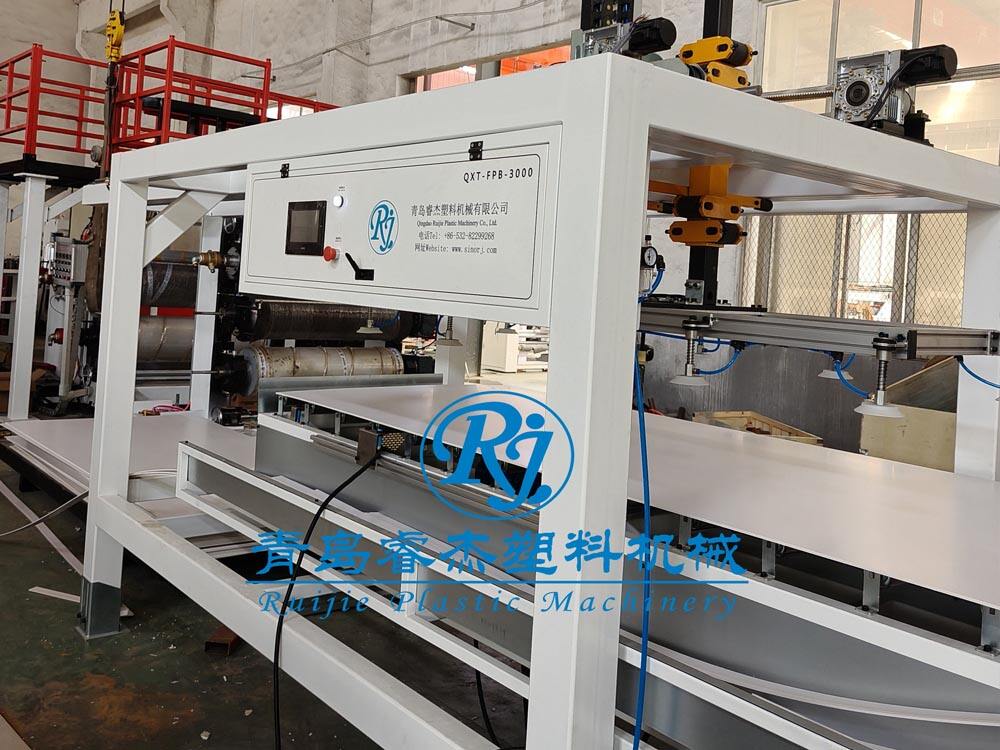
With advanced extrusion techniques, manufacturers can hit dimensional tolerances around plus or minus 0.15 mm. This level of accuracy means panels fit together perfectly without any gaps, so there's no need for skim coating or extra finishing work afterwards. When installed on big commercial projects, these consistently sized panels line up beautifully across entire walls and ceilings. No more those ugly seams or bumps that often show up when working with traditional gypsum products. Plus, because everything comes out exactly the same way every time, colors stay consistent between batches and textures match perfectly too. Designers get what they want from start to finish without surprises. And let's not forget the time savings either installation crews report cutting their workload down by roughly 40% thanks to these precise dimensions.
Regulatory Compliance and Sustainability Drivers Accelerating PVC Wall Panel Adoption
Fire-Rated PVC Formulations Meeting ASTM E84 Class A (Flame Spread ≤25)
Today's PVC wall panels are designed to pass tough fire safety tests, specifically meeting ASTM E84 Class A standards which means they limit flame spread to 25 or below. Building inspectors look for this certification when approving commercial spaces, so having it speeds up the whole permitting process. At the same time, manufacturers have made big strides in making these panels greener. They emit fewer volatile organic compounds (VOCs) during installation and can be recycled more easily than many alternatives. Contractors working on LEED certified buildings or other eco-conscious projects find these panels increasingly attractive because they don't sacrifice any of the critical properties like fire resistance, strength, or long term durability that commercial spaces require.
FAQs
What are the benefits of using PVC wall panels over traditional materials?
PVC wall panels offer superior moisture resistance, structural integrity in wet conditions, impact resistance, faster installation, lower lifecycle costs, precision in installation without skimming, and compliance with fire safety standards.
How do PVC wall panels contribute to cost savings?
PVC wall panels reduce labor costs by 40% due to easier installation and eliminate moisture-related repairs and need for separate vapor barriers, contributing to lifetime cost savings, reduced frequency of repairs, and cleaning efficiency.
Are PVC panels environmentally friendly?
Yes, PVC panels have lower emissions of volatile organic compounds (VOCs) and can be recycled more easily than traditional building materials. These panels are suitable for eco-conscious projects like LEED certified buildings.
Table of Contents
- Superior Performance: Moisture Resistance and Structural Durability of PVC Wall Panels
- Faster Installation and Lower Lifecycle Costs with PVC Wall Panels
- Advanced Manufacturing Enables Precision and Aesthetic Consistency in PVC Wall Panels
- Regulatory Compliance and Sustainability Drivers Accelerating PVC Wall Panel Adoption
- What are the benefits of using PVC wall panels over traditional materials?
- How do PVC wall panels contribute to cost savings?
- Are PVC panels environmentally friendly?
