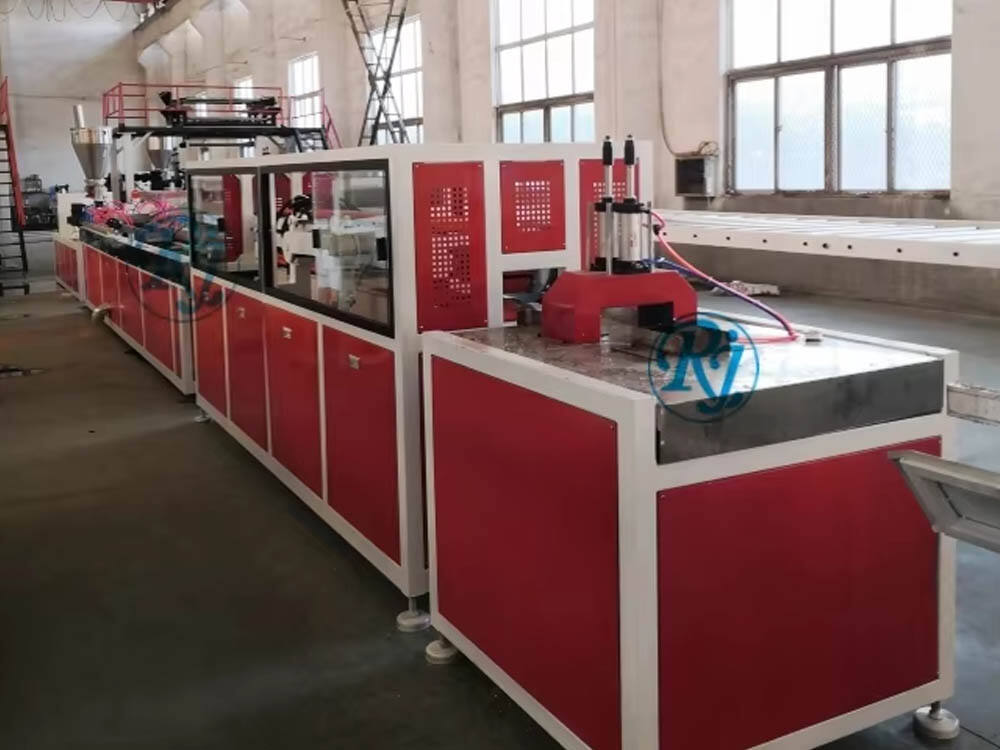
بهینهسازی عامل حبابزای شیمیایی و تنظیمکنندهها جهت دستیابی به چگالی هدف
کنترل دقیق شیمیایی، نتایج قابل پیشبینی از نظر چگالی را در اکستروژن تختههای پشمی PVC تضمین میکند. بهینهسازی عوامل حبابزا و تنظیمکنندهها، ساختار سلولی یکنواختی را تضمین کرده و مشخصات چگالی هدف را که برای عملکرد مواد حیاتی است، برآورده میسازد.
تنظیم نسبت آزودیکربونامید (ADC) و اکسید روی (Zinc Oxide) جهت کاهش قابل پیشبینی چگالی
هنگام گرم شدن به دمای حدود ۱۹۵ تا ۲۰۵ درجه سانتیگراد، مادهٔ ADC شروع به تجزیه میکند و گاز نیتروژن را آزاد میسازد که این گاز ساختار اولیه سلولهای فوم را تشکیل میدهد. اکسید روی در اینجا نقش کلیدی ایفا میکند؛ زیرا فرآیند تجزیه را تسریع میکند و بهطور مؤثر دمای وقوع این واکنش را کاهش داده و شدت واکنش حرارتی را افزایش میدهد. تجربیات segu صنعتی نشان میدهد که رعایت نسبت استاندارد ترکیبی حدود ۱ قسمت ADC به ۰٫۳ قسمت اکسید روی معمولاً منجر به کاهش چگالی بین ۱۸ تا ۲۲ درصد میشود، در حالی که مقاومت ماده همچنان برای اکثر کاربردها کافی باقی میماند. با این حال، اگر مقدار اکسید روی اضافهشده بیش از حد باشد، مشکلاتی پدیدار میشوند؛ زیرا گاز در مرحله اولیه فرآوری و زودتر از موعد آزاد میشود. این امر منجر به ساختار نامنظم سلولی در سراسر ماده و اغلب ایجاد عیوب قابلمشاهده روی سطح محصول نهایی میگردد. برای متخصصان فرآیند اکستروژن که در خطوط تولید فعالیت میکنند، تنظیم دقیق این تعادل به این معناست که آنها میتوانند بهطور قابلاطمینان چگالی مورد نظر خود را در محدوده باریکی از ±۰٫۰۳ گرم بر سانتیمتر مکعب بهدست آورند.
استئارات کلسیم در مقابل استئارات روی: تأثیر بر یکنواختی هستهزایی سلولی و ثبات چگالی نهایی
در فرآیندهای اکستروژن فوم پیویسی، استئاراتهای فلزی به عنوان عوامل هستهزا مهمی عمل میکنند که نحوه تشکیل حبابها در داخل ماده را تنظیم میکنند. وقتی به طور خاص به استئارات کلسیم نگاه میکنیم، آن سلولهای کوچک و یکنواخت زیبا را در سراسر محصول ایجاد میکند. این امر منجر به پایداری چگالی بهتر میشود زیرا میکروسلولها به خوبی شکل گرفته و توزیع شدهاند. از طرف دیگر، استئارات روی تمایل به تولید سلولهای بزرگتر با دیوارههای نازکتر دارد. در حالی که این امر باعث میشود محصول نهایی به طور کلی سبکتر شود، این ساختارها در هنگام قرار گرفتن در معرض گرما یا تنش فیزیکی در طول پردازش، احتمال بیشتری برای تجزیه شدن دارند. آزمایشهای کارخانهای نشان دادهاند که محصولات ساخته شده با استئارات کلسیم حدود 7٪ محدوده چگالی محکمتری در حدود +/- 0.02 گرم در سانتیمتر مکعب را در مقایسه با آنچه با استئارات روی به دست میآوریم، حفظ میکنند. برای تولیدکنندگانی که روی پروژههایی کار میکنند که چگالی باید از دستهای به دسته دیگر کاملاً ثابت بماند، مانند سیستمهای پانل معماری یا موادی که برای عملیات ماشینکاری CNC در نظر گرفته شدهاند، هزینه اضافی صرف شده برای استئارات کلسیم با توجه به کنترل برتر آن بر تشکیل حباب، ارزش هر پنی را دارد.
پارامترهای فرآیند اکستروژن که بر پایداری چگالی فوم حاکم هستند
نمودار دمای سیلندر: پنجرههای حیاتی دمای ذوب (منطقه ۳–۴) برای کنترل رشد سلولها
منطقههای ۳ و ۴ در مخزن (سیلندر) جایی هستند که اهمیت واقعی برای ذوب پلیوینیل کلرید (PVC) در دمای حدود ۱۶۰ تا ۱۷۵ درجه سانتیگراد آغاز میشود. در این مرحله، ماده به روانی و ویسکوزیتهای دقیقاً مناسب میرسد تا گازها بهدرستی در آن حل شده و حفرهها (سلولها) طبق استانداردهای فرآیند تشکیل شوند. اگر دما از این محدوده فراتر رود، عوامل حبابزا سریعتر تجزیه میشوند؛ در نتیجه حبابهای متعددی در سراسر محصول ایجاد میشود و نوسانات نامطلوب چگالی را که در مقادیر بالاتر از ۰٫۶۰ گرم بر سانتیمتر مکعب مشاهده میکنیم، بهوجود میآورد. از سوی دیگر، اگر دما در این مناطق بیش از حد پایین باشد، پلاستیک ذوبشده جریان کافی نخواهد داشت و در نتیجه انبساط محدود شده و تختههایی با چگالی بسیار بالا (بیش از ۰٫۶۵ گرم بر سانتیمتر مکعب) تولید میشوند که خواص عایقی ضعیفی دارند و مقاومت ضربهای بسیار پایینی نیز از خود نشان میدهند. آزمایشهای کارخانهای نشان دادهاند که حفظ ثبات دما در این بخشها در محدوده حدود ±۳ درجه سانتیگراد، تغییرپذیری چگالی را تقریباً ۲۲ درصد کاهش میدهد؛ زیرا سلولها بهصورت یکنواختتری در سراسر محصول توسعه مییابند.
همکاری سرعت پیچ و فشار معکوس: کاهش واریانس چگالی (±۰٫۰۳ گرم بر سانتیمتر مکعب) در اکسترودر تختههای پلیوینیل کلرید متخلخل بهصورت پیوسته
دستیابی به تعادل مناسب بین سرعت پیچ (معمولاً در حدود ۲۵ تا ۳۵ دور در دقیقه) و فشار معکوس (که معمولاً بین ۸ تا ۱۲ مگاپاسکال تنظیم میشود)، برای مدیریت گرمای ناشی از برش و همزمان حفظ یکپارچگی مذاب، امری حیاتی است. زمانی که اپراتورها سرعت پیچ را افزایش میدهند، پراکندگی بهتری از مواد حاصل میشود، اما این امر دمای داخل سیلندر را نیز افزایش میدهد. برای جبران این اثر، تنظیم مجدد فشار معکوس ضروری میشود. افزایش فشار معکوس در واقع فومشدن را تا زمانی که ماده به نقطه خروج از قالب برسد، به تأخیر میاندازد. در این مرحله، با افت ناگهانی فشار، انبساط کنترلشدهای رخ میدهد که ماده را به چگالی هدف ما (حدود ۰٫۵۵ گرم بر سانتیمتر مکعب) نزدیک میسازد. تجربه صنعتی نشان میدهد که هنگامی که این دو عامل بهصورت همزمان و در زمان واقعی تنظیم شوند، نوسانات چگالی در محدوده بسیار تنگی از ±۰٫۰۳ گرم بر سانتیمتر مکعب باقی میماند. این سطح از کنترل تأثیر قابلتوجهی بر کیفیت تولید دارد و تقریباً مشکلاتی مانند تابخوردگی و ناهمگونی در ضخامت دیواره را در طول تولیدات طولانیمدت از بین میبرد.
انتخاب رزین PVC و مدیریت استحکام ذوب برای حفظ یکپارچگی چگالی
تأثیرات مقدار K: چگونه وزن مولکولی PVC (K67 تا K70) کشسانی ذوب، پایداری حباب و حفظ چگالی را تعیین میکند
وزن مولکولی رزین PVC، که با آنچه به آن مقدار K گفته میشود اندازهگیری میشود، نقش کلیدی در کنترل چگالی نهایی محصول پشمی دارد. اکثر تولیدکنندگان دریافتهاند که رزینهایی با مقدار K بین ۶۷ تا ۷۰، ترکیب مناسبی از استحکام ذوب، سهولت پردازش و توانایی نگهداری گازها در طول تولید را فراهم میکنند. هنگامی که به طور خاص به رزینهای با مقدار K=70 نگاه میکنیم، این رزینها در حالت مذاب حدود ۴۰ درصد الاستیسیته بیشتری نسبت به رزینهای K=67 نشان میدهند. این ویژگی باعث پایداری بیشتر حبابهای ریز موجود در ماده در هنگام انبساط میشود و به حفظ چگالی بهطور یکنواخت در محدودهٔ ۰٫۴۵ تا ۰٫۶۰ گرم بر سانتیمتر مکعب کمک میکند؛ همانطور که در تحقیقات اخیر منتشرشده در مجلهٔ Polymer Engineering Science در سال ۲۰۲۳ گزارش شده است. با این حال، کاهش مقدار K زیر ۶۷ مشکلاتی ایجاد میکند، زیرا مذاب بیش از حد سیال میشود و منجر به ادغام سلولها و ایجاد نوسانات چگالی میگردد که میتواند بیش از ±۰٫۰۵ گرم بر سانتیمتر مکعب متغیر باشد. از سوی دیگر، افزایش مقدار K فراتر از ۷۲، مشکلات متعددی برای فرآیندگران ایجاد میکند، زیرا نیازمند گشتاور بسیار بالاتری است و فضای بسیار کمی برای خطای انسانی یا فنی در طول تولید باقی میگذارد؛ بنابراین وقوع مشکلاتی مانند نوسان جریان (surging) یا افزایش بیش از حد دما بسیار احتمالیتر میشود.
سه مکانیسم به هم پیوسته تأثیر مقدار K را توضیح میدهند:
- کشایشپذیری ذوب : زنجیرههای بلندتر (K70) بهطور مؤثرتری درهمتنیده میشوند و از نازکشدن دیواره سلولها در حین انبساط مقاومت میکنند
- کنترل انتشار گاز : ماتریسهای پلیمری متراکمتر، مهاجرت عامل پفدهنده را کند میکنند و رشد سلولها را پایدار میسازند
- پاسخ برشی : رزینهای K68 تا K69 رفتار کاهشیابی ویسکوزیته تحت برش را بهینهسازی میکنند و از لایهبندی چگالی محوری جلوگیری میکنند
| مقدار K | استحکام ذوب | پایداری حباب | حفظ چگالی | حساسیت به دما |
|---|---|---|---|---|
| K67 | متوسط | متغیر | ±۰٫۰۷ گرم/سانتیمتر مکعب | بالا |
| K70 | بالا | یکپارچگی هستند | ±۰٫۰۳ گرم بر سانتیمتر مکعب | متوسط |
| K72 | خیلی بالا | عالی | ±۰٫۰۲ گرم بر سانتیمتر مکعب | کم |
پایدارکنندههای مبتنی بر کلسیم همگنی ذوب را بهبود میبخشند، در حالی که پایدارکنندههای روی از حذف دهیدروکلریداسیون در دماهای پایدار ۱۸۰ درجه سانتیگراد جلوگیری میکنند. بیشتر خطوط تولید با حجم بالا از رزین K69 استاندارد استفاده میکنند—که دقت تراکم ±۰٫۰۴ گرم بر سانتیمتر مکعب را در ۹۸ درصد از محصولات تضمین میکند ( ژورنال پلاستیکهای سلولی، ۲۰۲۴ )، و اطمینان از قابلیت اطمینان سازهای و حداقلسازی ضایعات.
پایش بلادرنگ تراکم و پیشگیری از نقصها در فرآیند اکسترود کردن تختههای فوم PVC
پایش آنلاین اولتراسونیک برای تشخیص زودهنگام انحراف تراکم و تشکیل ساختار کندویی (کمتر از ۰٫۵۵ گرم بر سانتیمتر مکعب)
سنسورهای اولتراسونیک که مستقیماً در خط اکستروژن تعبیه شدهاند، بهطور مداوم بررسی میکنند که چگونه امواج صوتی هنگام عبور از تخته فوم PVC متحرک ضعیفتر میشوند. این روش بدون آسیبرساندن به محصول، تغییرات چگالی بیش از ±۲٪ را شناسایی میکند و این کار را با بررسی سرعت انتشار امواج و میزان افت شدت آنها انجام میدهد. اگر چگالی زیر ۰٫۵۵ گرم بر سانتیمتر مکعب کاهش یابد، مشکلاتی در ساختار سلولی ظاهر میشوند. این نقصها بهصورت عیوب کندویی معروف — یعنی حفرههای نامنظم و بزرگی که پس از برش مواد مشاهده میشوند — نمایان میگردند. این نواقص بهطور قابلتوجهی استحکام خمشی و همچنین صافی سطح نهایی محصول را تحت تأثیر قرار میدهند. کل سیستم بهمحض وقوع هرگونه انحراف، هشدارهای لازم را صادر میکند تا اپراتورها بتوانند سریعاً وارد عمل شده و مشکل را قبل از اینکه محصول معیوب وارد بخشهای بعدی خط تولید شود — جایی که اصلاح آن هزینهبرتر خواهد بود — رفع کنند.
مداخلات اصلاحی: تنظیم نرخ تغذیه عامل کفزا یا فاصله قالب در پاسخ به انحرافات چگالی
اپراتورها دو اصلاح دقیق و زمانمند را پس از شناسایی انحرافات اعمال میکنند:
- تنظیم عامل کفزا : کاهش نرخ تغذیه ADC به میزان ۵ تا ۸ درصد، تولید اضافی گاز را در صورتی که چگالی به سمت مقادیر پایینتر از مشخصات تمایل داشته باشد، کنترل میکند
- کالیبراسیون فاصله قالب : افزایش فاصله خروجی قالب به میزان ۰٫۱ تا ۰٫۳ میلیمتر، فشار مذاب را در محل خروج از قالب کاهش داده و از فروپاشی سلولها در مناطق مستعد تشکیل ساختار کندویی جلوگیری میکند
این مداخلات در عرض ۹۰ ثانیه پس از شناسایی انحراف انجام میشوند و کنترل چگالی را در محدوده ±۰٫۰۳ گرم بر سانتیمتر مکعب حفظ میکنند؛ این امر ثبات دستهبهدسته و عملکرد مکانیکی را در تمامی فرآیندهای اکسترود کردن تختههای فوم PVC تضمین میکند.
بخش سوالات متداول
نقش ADC در فرآیند اکسترود کردن تختههای فوم PVC چیست؟
آزودیکربونامید (ADC) یک عامل کفزا است که در اثر گرما تجزیه شده و گاز نیتروژن را آزاد میکند تا ساختار اولیه سلولهای فوم را در تختههای فوم PVC ایجاد کند.
اکسید روی چگونه بر فرآیند تولید فوم تأثیر میگذارد؟
اکسید روی سرعت تجزیهٔ ADC را افزایش میدهد و دمای مورد نیاز برای تجزیه را کاهش میدهد؛ این امر منجر به تشدید واکنش گرمایی و کمک به فومزدن کنترلشده میشود.
چرا استئارات کلسیم نسبت به استئارات روی برای هستهزایی سلولها ترجیح داده میشود؟
استئارات کلسیم سلولهای میکروی یکنواختی ایجاد میکند که منجر به پایداری بیشتر چگالی میشود. این ماده زمانی ترجیح داده میشود که ثبات چگالی برای کاربردهایی مانند پانلهای معماری حیاتی باشد.
پارامترهای حیاتی در فرآیند اکسترود برای حفظ ثبات چگالی فوم کداماند؟
پروفیل دمای سیلندر، سرعت پیچ و فشار معکوس از جمله پارامترهای کلیدی هستند که باید کنترل شوند تا ثبات چگالی فوم در طول فرآیند اکسترود حفظ شود.
