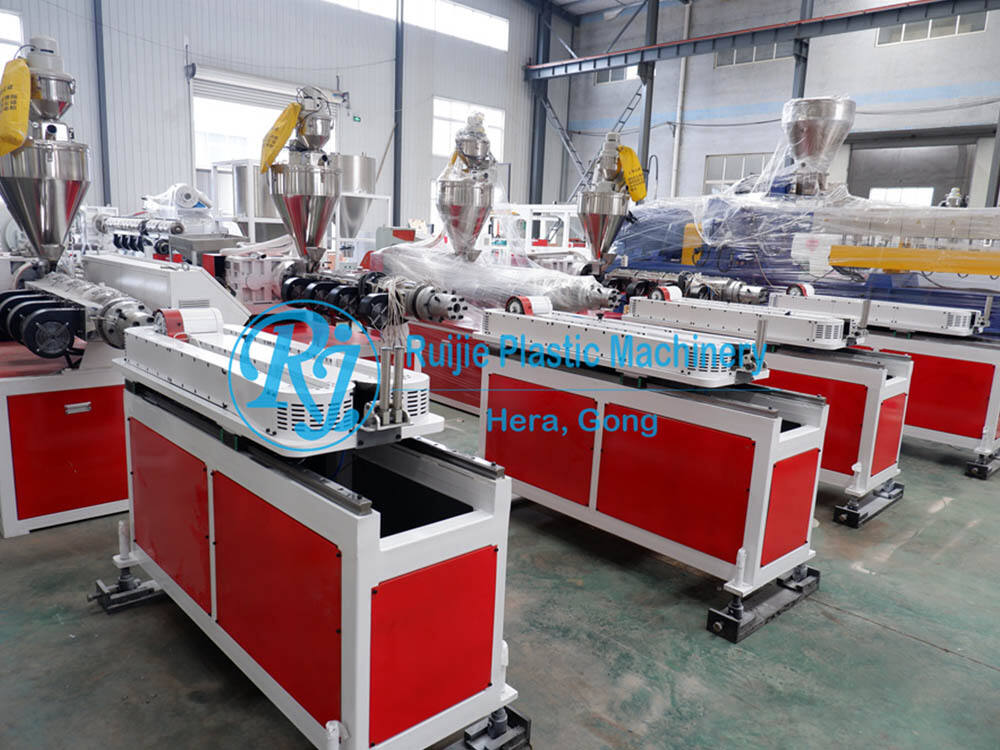
Տնտեսական արտադրության սկզբունքների կիրառում՝ թափոնները վերացնելու համար Ձողավոր խողովակների արտադրություն
Տնտեսական արտադրության հասկացությունը ձողավոր խողովակների արտադրության համատեքստում
Lean արտադրությունը կենտրոնացած է ավելցուկների վերացման և արտադրության ընթացքում ռեսուրսների առավելագույն օգտագործման վրա: Իսկապես, խցանավոր խողովակներ արտադրելիս ընկերությունները պետք է նույնականացնեն այն գործողությունները, որոնք ժամանակ ու գումար են ծախսում, սակայն չեն բերում արտադրանքի որակի բարելավման կամ հաճախորդների մեծ բավարարվածության: Այստեղ խոսքը գազան է արտադրամասում գործընթացների օպտիմալացման մասին՝ թափոնների նվազեցման, սարքավորումների ավելի հուսալի և անխափան աշխատանքի ապահովման մասին՝ անընդհատ կանգ առնելուց խուսափելով: Արտադրության գործընթացների նկատմամբ այս տեսանկյունից նայելը թույլ է տալիս արտադրողներին խնդիրները լուծել անմիջապես այնտեղ, որտեղ դրանք առաջանում են՝ արտադրության փուլերի ընթացքում, օրինակ՝ պլաստիկի հալման (էքստրուզիա), ալիքավորման (կոռուգացիա) և վերջնական մշակման փուլերի ժամանակ՝ մինչև առաքումը: Շատ գործարաններ հասկացել են, որ այս ոլորտներում փոքր փոփոխությունները երկարաժամկետ առումով կարող են հանգեցնել զգալի տնտեսությունների:
Լինի արտադրության 8 ավելցուկ՝ ավելցուկային արտադրության, սպասման, շարժման և պաշարների նախատեսումը խողովակների արտադրության գործընթացներում
Լրիվ արտադրության սկզբունքները DOWNTIME հապավման միջոցով նույնականացնում են ութ տարածված թափոններ, որոնք օգնում են արտադրողներին հայտնաբերել խնդիրներ իրենց կոռուգացված խողովակների արտադրության ընթացքում: Եկեք դրանք մեկնաբանենք. անթերիությունները առաջանում են, երբ խողովակները չեն համապատասխանում ստանդարտներին և պետք է վերանորոգվեն կամ ոչնչացվեն: Ավելցուկային արտադրությունը նշանակում է այնպիսի բաների արտադրում, որոնց դեռ ոչ ոք չի ցանկանում: Սպասումը վերաբերում է գործընթացի միջև առկա այն ձանձրալի ընդմիջումներին: Տաղանդի չօգտագործումը տեղի է ունենում, երբ օպերատորներին իրենց հմտություններին համապատասխան պատասխանատվություն չի տրվում: Տրանսպորտային թափոնները առաջանում են անհրաժեշտությունից ավելի նյութեր տեղափոխելուց: Պահեստային նյութերի հետ կապված խնդիրները առաջանում են, երբ կա շատ շատ պաշար, որը պարզապես կուտակվում է: Շարժման թափոնները առաջանում են, երբ աշխատողները աշխատանքի ընթացքում ստիպված են անհարմար շարժումներ կատարել: Վերջապես, լրացուցիչ մշակումը տեղի է ունենում, երբ մենք ավելացնում ենք այնպիսի հատկանիշներ, որոնք հաճախորդներին իրականում հետաքրքրություն չեն ներկայացնում: Ըստ արդյունաբերական զեկույցների՝ միայն թափոն նյութերը կարող են կլանել պլաստիկ արտադրանքների արտադրության ծախսերի մոտ 15%-ը: Սա նշանակում է, որ այս թաքնված ծախսերը հայտնաբերելը ցանկացած գործարանի վարպետի կարողանալություններից ամենակարևորն է, եթե նա իրոք շահույթ ստանալու մտադրություն ունի:
Արժեքի հոսքի քարտեզագրում (VSM)՝ տեսողական ներկայացման և օպտիմալացման համար ձողավոր խողովակների արտադրություն հոսանք
Արժեքի հոսքի քարտեզագրումը ձողավոր խողովակների արտադրության բոլոր գործընթացների՝ հումքի ստացումից մինչև հաճախորդին առաքումը, տեսողական ներկայացում է ստեղծում: Այս մեթոդը թույլ է տալիս արտադրողներին նույնականացնել կոնքերը, կրկնօրինակումները և արժեք չավելացնող գործողությունները արտադրական հոսքի ընթացքում: Ձողավոր խողովակների արտադրության համար տիպիկ VSM-ն կարող է ցույց տալ.
| Գործընթացի փուլ | を超えցիկ ժամանակ | Արժեք ավելացնող | Արժեք չավելացնող |
|---|---|---|---|
| Նյութի մատուցում | 15 րոպե | 85% | 15% |
| Extrusion | 45 րոպե | 95% | 5% |
| Ձողավորում | 30 րոպե | 90% | 10% |
| Սառեցում և կտրում | 20 րոպե | 80% | 20% |
Այդ քարտեզները վերլուծելով՝ արտադրողները կարող են բացահայտել բարելավման համար նախատեսված որոշակի գոտիներ, ինչպիսիք են խողովակների տարբեր չափսերի միջև փոխարկման ժամանակի կրճատումը կամ նյութերի հոսքի օպտիմալացումը՝ կեղտնոցների նվազագույնի հասցնելու համար: Վերջնանյութի արտադրության գործընթացի արտադրության քարտեզագրման (VSM) համակարգ ներդնող ընկերությունները սովորաբար առաջին տարում կարողանում են 20-30% կրճատել արտադրության ժամանակը և 15-25% բարելավել արտադրողականությունը:
Արտադրության հոսքի օպտիմալացում՝ օգտագործելով ձգողական համակարգեր և «Պատվերով» (JIT) արտադրություն
Ձգողական համակարգերի և մեկ միավորի հոսքի ներդրում՝ ալիքավոր գծերում կորստերը նվազագույնի հասցնելու համար
Հին ձևով՝ մատչելիության վրա հիմնված արտադրական մեթոդներից անցումը քաշման համակարգերի ամբողջովին փոխում է գործողությունների արդյունավետությունը: Փոխարենը, որ արտադրենք այն, ինչ-որ կարծում ենք, որ պետք կլինի, մենք արտադրում ենք այն, ինչ հաճախորդները իրականում ցանկանում են հիմա: Գոֆրված խողովակներ արտադրող ընկերությունների համար սա նշանակում է, որ գործարանում յուրաքանչյուր քայլ սկսվում է միայն այն դեպքում, եթե հաջորդ կայանը ներքևում ասում է, որ նրանք պատրաստ են ստանալ նոր նյութեր: Ի՞նչ է ստացվում: Ավելի հարթ աշխատանքային գործընթաց, որտեղ արտադրանքները հատ-հատ անցնում են համակարգի միջով: Այս մեթոդը օգտագործող գործարանները սովորաբար իրենց պաշարները կրճատում են կեսով, քանի որ անավարտ ապրանքներ կուտակելու կարիք չկա: Եվ ոչ ոք չի ցանկանում ավելի շատ արտադրել, քան իրականում պետք է: Մեկ այլ մեծ առավելություն է որակի խնդիրների ավելի արագ հայտնաբերումը, քանի որ անընդհատ հոսքի կազմակերպման դեպքում, երբ ինչ-որ բան սխալ է ընթանում, բոլորը գրեթե անմիջապես նկատում են, իսկ ոչ թե սխալները հայտնաբերելով օրեր անց ստուգման ընթացքում:
Պատվերով արտադրություն՝ ավելցուկ պաշարների և նյութերի կորուստը նվազագույնի հասցնելու համար
JIT արտադրության մոտեցումը նյութերի մատակարարման և արտադրության ժամանակացույցները համաձայնեցնում է անմիջապես հաճախորդների իրական պատվերների հետ, ինչը նվազեցնում է պաշարների ծախսերը և զգալիորեն կրճատում է կորցված նյութերը։ Կրճատված խողովակների արտադրողների համար այս համակարգը հատկապես օգտակար է, քանի որ հումքային պոլիմերները հայտնվում են արտադրամասում անմիջապես այն պահին, երբ անհրաժեշտ են։ Չկա ավելցուկային նյութեր պահելու համար գումար կամ պահեստային տարածք կապելու կարիք, որոնք ժամանակի ընթացքում կարող են վատթարանալ։ Արդյունաբերության զեկույցները ցույց են տալիս, որ պաշարների ծախսերը ճիշտ իրականացման դեպքում կարող են նվազել 25%-ից մինչև 35%։ Եվ իրականում, ոչ ոք չի ցանկանում զբաղվել պահեստներում կուտակված ավելցուկային պաշարներով։ Երբ արտադրողները հետևում են այն սկզբունքին, որ արտադրում են միայն այն, ինչ հաճախորդները ցանկանում են հենց այդ պահին, սխալերի համար պարզապես փոքր տեղ է մնում, ավելի քիչ են լինում աղավաղված արտադրությունները, և ոչ մի ավարտված ապրանք չի մնում անօգտագործված, քանի որ ոչ ոք դրա համար պատվեր չի տվել
Kanban-ի կիրառումը իրական ժամանակում աշխատանքային ընթացքը կառավարելու և պահանջարկի հիման վրա ժամանակացույց կազմելու համար
Կանբան համակարգերը արտադրողներին ապահովում են արտադրական գործընթացների պարզ տեսողական ներկայացում՝ օգտագործելով տեսողական հանգամանքներ, ինչպիսիք են քարտերը կամ թվային ծանուցումները, որոնք աշխատողներին տեղեկացնում են, թե երբ պետք է գործողություններ ձեռնարկեն՝ հիմնվելով այն վրա, թե ինչն է փաստացի օգտագործվում: Այն ընկերությունների համար, որոնք արագընթաց արտադրական գծեր են վարում երկարացված խողովակների արտադրության համար, այդ հանգամանքները տեղափոխվում են էքստրուդերի հատվածից, որտեղ ձևավորվում են խողովակները, ապա անցնում են երկարացման կայան, և վերջապես՝ կտրման հատված: Բոլորի էությունն իսկապես պարզ է՝ յուրաքանչյուր քայլ արտադրում է հենց այնքան արտադրանք, որքանն անհրաժեշտ է հաջորդ փուլի համար: Երբ ընկերությունները ներդնում են այս տեսակի պահանջարկին հիմնված մոտեցում, սովորաբար տեսնում են, որ առաքման ժամանակահանդերձները նվազում են մոտ 30-40 տոկոսով՝ պահելով պաշարները հարմար մակարդակի վրա: Արդյունաբերության մեջ աշխատողները նկատել են նաև մեկ այլ բան. Կանբան ընդունած գործարանները հաճախ ավելի լավ արտադրողականության ցուցանիշներ են ցուցադրում: Որոշ գործարաններ հաղորդում են, որ արտադրանքները 20% ավելի արագ են արտադրվում, քան նախկինում, և նաև նկատվել է արտադրության դադարների ակնհայտ նվազում՝ կա՛մ նյութերի պակասի, կա՛մ չօգտագործված մնացած չափազանց շատ նյութերի պատճառով:
Աշխատանքային գործընթացների ստանդարտացում՝ հետևողականությունը բարելավելու և սխալները նվազեցնելու համար
Կրկնվող որակի համար ստանդարտ շահագործման ընթացաձևերի (SOP) մշակում կռունկավոր խողովակների արտադրության մեջ
Կռունկավոր խողովակների արտադրության աշխարհում ստանդարտ շահագործման ընթացաձևերը (SOP) հիմնականում ապահովում են համապատասխան որակը լուծումների ընթացքում: Մանրամասն աշխատանքային հրահանգները գործարանի աշխատակազմին տալիս են ճիշտ այն տեղեկությունները, որոնք անհրաժեշտ են յուրաքանչյուր աշխատանքի համար՝ անկախ նրանից, թե արդյոք դա հումքի տեղափոխում է, թե էքստրուդերային սարքավորումների ճիշտ կարգավորում: Այն գործարանները, որոնք անցել են այս SOP-ների թվային տարբերակներին, զեկուցում են, որ թափոնները կրճատվել են գրեթե կեսով՝ մոտ 47%-ով, իսկ աշխատողների կողմից ստանդարտ ընթացաձևերի հետևողականությունը բարելավվել է մոտ երկու երրորդով՝ հասնելով 62% մակարդակին: Երբ ամեն ինչ հետևում է ստանդարտացված գործընթացների, խնդիրները ավելի շուտ են հայտնաբերվում, սխալ հասկացողությունների համար տեղ չի մնում, և ամբողջ գործընթացը դառնում է կանխատեսելի՝ որակյալ արդյունքների համար հաջողության վրա հիմնված անհավանականությունից խուսափելով:
Սարքավորումների կարգավորումների ստանդարտացում՝ թափոնները և կարգավորման ժամանակը նվազեցնելու համար
Երբ ընկերությունները ստանդարտացնում են իրենց սարքավորումների կարգավորումները, նրանք կրճատում են կորցված նյութերը՝ միաժամանակ ապահովելով ավելի հարթ ընթացքով գործողություններ: Ջերմաստիճանի, սարքերի շարժման արագության և ճնշման կարգավորումների համար ճշգրիտ թվեր սահմանելը օգնում է կանխել խնդիրներ, որոնք հանգեցնում են վատ որակի արտադրանքների և լրացուցիչ աշխատանքի: Արտադրամասերը, որոնք ընտրել են այս մոտեցումը, հաճախ տեսնում են, որ փոփոխությունները տեղի են ունենում մոտ 35 տոկոսով ավելի արագ, իսկ կորուստները նվազում են մոտ 28 տոկոսով՝ ըստ արդյունաբերական զեկույցների: Իրական առավելությունը նրանում է, երբ տարբեր հերթապահությունները արտադրությունն իրենց վրա են վերցնում՝ առանց գործընթացի որակը խախտելու: Նոր աշխատողներին ավելի քիչ վերապատրաստում է պետք, քանի որ ամեն ինչ օրից օր հաստատուն է մնում, ինչը պահպանում է արտադրանքի բարձր ստանդարտները՝ նույնիսկ այն դեպքում, երբ փորձառու անձնակազմ հասանելի չէ:
Օպերատորների վերապատրաստում և ՍՕՊ-ի կանոնների կատարման ապահովում՝ դադարները նվազագույնի հասցնելու համար
Երբ ընկերությունները իրականում իրականացնում են լավ վերապատրաստման ծրագրեր՝ զուգահեռ ստուգումներ իրականացնելով համապատասխանության համար, ստանդարտ շահագործման ընթադարձականները դադարում են լինել պարզապես թղթե փաստաթղթեր և սկսում են դառնալ ամենօրյա աշխատանքային կյանքի մաս: Վերապատրաստման այն մոտեցումները, որոնք ներառում են դիագրամներ, տեսանյութեր և իրական վարժություններ, նոր աշխատողների վերապատրաստման ժամանակը կրճատում են մոտ 40%-ով, իսկ կանոնների հետևողականությունն էլ ավելի բարձր է լինում: Դիտարկենք արտադրական գործարանները, որոնք ներդրում են ամուր վերապատրաստման հիմնարկների մեջ. դրանք սովորաբար անակնկալ դադարների քանակով կես-կեսի են հասնում այն ընկերությունների համեմատ, մոտ 50-55% կրճատում, իսկ որակի հետ կապված խնդիրները նվազում են մոտ մեկ երրորդով: Սակայն համապատասխանությունը պահպանելը ոչ միայն տուփերը նշելն է: Լավագույն կառույցները համատեղում են պարբերական ստուգումները իրական ժամանակում հետադարձ կապի մեխանիզմների հետ և որոշակի թվայնացված համակարգ՝ առաջընթացը հետևելու համար: Սա օգնում է պահպանել համա consistency առաջին և երկրորդ հերթափոխների գործունեությունների միջև, նույնիսկ եթե տարբեր թիմերն ունեն իրենց փոքրիկ առանձնահատկությունները աշխատանքներ կատարելու մոտեցման մեջ:
5S, TPM և Արագ փոխադրման տեխնիկայի միջոցով սարքավորումների աշխատաժամերի առավելացում
5S համակարգի ներդրում. Տեսանելիություն, Կարգավորում, Մաքրություն, Ստանդարտացում, Շարունակականություն՝ աշխատանքային հատվածի արդյունավետության համար
5S մոտեցումը օգնում է կազմակերպել աշխատանքային տարածքներն այնպես, որ դրանք ավելի լավ աշխատեն և ավելի քիչ թափոններ առաջացնեն: Այն բաղկացած է հինգ հիմնական մասերից՝ անհրաժեշտ իրերի որոշում, ամեն ինչ իր տեղում դասավորելը, կանոնավոր մաքրում, ստանդարտների սահմանում այն տեսքի համար, ինչպիսին պետք է լինի, և ամեն ինչ երկարաժամկետ պահպանելը: Երբ աշխատանքային հատվածները ճիշտ ձևով հետևում են այս քայլերին, աշխատողները գործիքներ փնտրելու վրա ավելի քիչ ժամանակ են ծախսում, ավելի քիչ են տեղաշարժվում աշխատանքային գործողություններ կատարելիս և ավելի քիչ սխալներ են թույլ տալիս, քանի որ ամեն ինչ կարգի մեջ է: 5S-ի ճիշտ ներդրումը իրականում բարելավում է սարքավորումների համատեղված աշխատանքը (սա կոչվում է ընդհանուր սարքավորումների արդյունավետություն կամ OEE): Պահպանման աշխատանքները ավելի արագ են կատարվում, և օրական գործընթացները ավելի հեղուկ են դառնում՝ համակարգը ներդրելուց հետո:
Ընդհանուր արտադրական պահպանում (TPM), որը բարելավում է սարքավորումների հուսալիությունն ու կյանքի տևողությունը
Ընդհանուր արտադրական սպասարկումը (TPM) գծի աշխատողներին տալիս է առօրյա սարքավորումների խնամքի հնարավորություն՝ առանց սպասելու, մինչև դրանք անսարք չդառնան: TPM-ի հիմնական նպատակն անզրո կորուստներին հնարավորին սերտ մոտենալն է: Սա նշանակում է խնդիրների կանխարգելումը՝ ոչ թե պարզապես անսարքությունների հետևանքների հետ կապված խնդիրների լուծում: Կանխադրված ժամանակի կորուստը՞: Անգործ սարքավորումները՞: Նորմալից ավելի դանդաղ աշխատանքը՞: Գործընթացում առկա թերությունները՞: Բոլոր այս հարցերը լուծվում են TPM-ի շրջանակներում: Երբ օպերատորները մասնակցում են պարզ սպասարկման գործողություններին, սարքավորումները ավելի երկար են տևում և ավելի հուսալի են աշխատում: Անսպասելի կանգերի նվազեցումը նշանակում է ավելի բարձր արտադրողականություն ընդհանրապես: Սա հատկապես կարևոր է այնպիսի արագընթաց կրողավոր սալիկների արտադրության գծերի համար, որտեղ փոքր խափանումներն էլ կարող են զգալիորեն նվազեցնել արտադրության ծավալները և ամբողջ օրվա ընթացքում ստեղծել անվերացվելի նյութերի վիթխարի քանակներ:
Բարձր արագությամբ կրողավոր գծերում փոխադրման ժամանակի կրճատում SMED սկզբունքների կիրառմամբ
SMED-ն, որը նշանակում է ձևափոխիչի մեկ րոպեական փոխարկում, օգնում է կրճատել տարբեր արտադրական ցիկլերի միջև եղած երկար փոխադրանքները: Հիմնական գաղափարը պարզ է, սակայն արդյունավետ. այն ամենը, ինչ պետք է կատարվի մեքենաների կանգնելու ընթացքում, տեղափոխվում է այդ կանգի ժամանակաշրջանից դուրս՝ հնարավոր դարձնելով այն կատարել արտադրությունն ընթացքի մեջ լինելու դեպքում: Սովորական մոտեցումներից են՝ ստանդարտ գործիքների հավաքածուների կիրառումը, տարբեր մասերի վրա միաժամանակ աշխատող անձնակազմի ներգրավումը և արտադրամասում տեսողական հստակ ուղեցույցների կազմակերպումը: Երբ գործարանները հաջողությամբ կրճատում են այս անցումները, նրանք օրական ավելի շատ արտադրողական ժամեր են ձեռք բերում: Սա հատկապես կարևոր է այն ընկերությունների համար, որոնք կիրառում են «ճիշտ ժամանակ» (just-in-time) արտադրության սկզբունքը, քանի որ դա նրանց հնարավորություն է տալիս հաճախ փոխել փոքր շարքերը՝ ամբողջական արդյունավետությունը կորցնելուց խուսափելով: Ավտոմոբիլային շատ գործարաններ զեկուցել են կարևոր բարելավումների մասին՝ SMED սկզբունքները իրենց հավաքակայաններում իրականացնելուց հետո:
Կայզենի միջոցով անընդհատ բարելավման ձգտում և տվյալների հիման վրա որոշումներ կայացնել
Կայզեն մշակույթի ստեղծում՝ թիմերին ներգրավելու համար անընդհատ թափոնների կրճատման գործում
Կայզենը նշանակում է անընդհատ բարելավում և ստեղծում է աշխատանքային մշակույթ, որտեղ բոլորը փնտրում են թափոնները նվազեցնելու ձևեր: Մեծ ընկերությունների վերափոխումների տարբերությամբ՝ Կայզենը ամենալավ կերպով աշխատում է, երբ մարդիկ օր առ օր փոքր-ինչ կատարելագործումներ են կատարում, որոնք վերջնականապես հանգեցնում են իրական առաջընթացի: Այս պրակտիկաներ ընդունած ընկերությունները հաճախ նկատում են, որ նրանց աշխատակազմը ավելի շատ է ներգրավվում բարելավումներ գտնելու գործում: Օրինակ՝ կորուգացված խողովակներ պատրաստելիս աշխատողները կարող են փոփոխել սարքավորումների աշխատանքի կարգը, առաջարկել ավելի լավ ձևեր կամ գտնել նյութերը ավելի խելացի կերպով կառավարելու եղանակներ, որը բոլորով նվազեցնում է թափոնների ծախսերը և էներգիայի արժեքները: Կարճ առավոտյան հանդիպումներ, պատի դիագրամներ, որոնք ցույց են տալիս, թե ինչ է պետք ուղղել, և լավ գաղափարների համար պարգևներ պահում են ամեն ինչ առաջ ընթանալու վիճակում: Երբ արտադրամասի աշխատակազմը իրականում կարողանում է առաջարկել փոփոխություններ և տեսնել, թե ինչպես են դրանք իրականացվում, գործարանները վերջնականապես ստանում են մի բան, որը բավականին հատուկ է՝ այնպիսի համակարգ, որտեղ արդյունավետությունը բնական կերպով աճում է տեխնոլոգիական արդիականացումների հետ միասին:
Արդյունավետության տվյալների և KPI-ների օգտագործում անարդյունավետությունները հայտնաբերելու և առաջընթացը հետևելու համար
Տվյալների հիման վրա որոշումներ կայացնելը անընդհատ բարելավման գործընթացն է ղեկավարում՝ դիտարկումները վերածելով չափելի արդյունքների: Հիմնարար կատարողականի ցուցանիշները (KPI) ցույց են տալիս, թե որտեղ են առաջանում թափոնները, և հետևում են բարելավման ջանքերի ազդեցությանը: Կրեպ-խողովակների արտադրության համար անհրաժեշտ KPI-ներն են.
| KPI Կատեգորիա | Կոնկրետ մետրիկներ | Նպատակի բարելավում |
|---|---|---|
| Մթերային արդյունավետություն | Թափոնների մակարդակ, նյութի ելք | Նվազեցնել թափոնները 15–20%-ով |
| Սարքի արդյունավետություն | OEE (Ընդհանուր սարքավորումների արդյունավետություն), դադարներ | Բարձրացնել OEE-ն 10–15%-ով |
| Էներգիայի ծախսեր | կՎտ·ժ խողովակի մետրի հաշվով | Նվազեցնել էներգիայի օգտագործումը 8–12%-ով |
| Պահանջի կառավարում | Պակասների մակարդակ, չափահարաբերական ճշգրտություն | Նվազեցնել պակասները 25–30%-ով |
Այսօրվա արտադրական կազմակերպումները հագեցած են IoT սենսորներով և արտադրությունը հետևող ծրագրաշարով, որոնք իրական ժամանակում վերահսկում են տարբեր մետրիկներ՝ ազդարարելով, երբ ինչ-որ բան շեղվում է նորմալ ընթացքից: Օրինակ, եթե էքստրուդիրովանդակման ընթացքում հանկարծակի աճում է էլեկտրաէներգիայի սպառումը, դա կարող է նշանակել, որ տաքացման շղթաները սկսում են ձախողվել: Եվ երբ թափոնների մակարդակը սկսում է աճել, հավանաբար ձևավորող կաղապարները այլևս ճիշտ չեն կարգավորված: Բազային չափումներ սահմանելը և հիմնարար կատարողականի ցուցանիշների վերահսկումը արտադրամասի ղեկավարներին տալիս է կոնկրետ տվյալներ՝ գնահատելու անընդհատ բարելավման ջանքերը: Սա նաև հեշտացնում է ղեկավարությանն ապացուցելը, թե ինչու են որոշակի թարմացումները արժանի ներդրման գումարին: Ավելին, որոշումների համար հիմնված լինելը համոզիչ թվերի վրա տրամաբանական է ցանկացած մեկի համար, ով փորձում է ժամանակի ընթացքում բարելավել իր գործողությունները:
Հաճախ տրամադրվող հարցեր
Ի՞նչ է Լիան արտադրությունը
Լին արտադրությունը արտադրության մեթոդ է, որն ուղղված է կորուստները նվազագույնի հասցնելուն՝ արտադրողականությունը չնվազեցնելով: Այն ներառում է այն գործողությունների նույնականացումը, որոնք արժեք չեն ավելացնում վերջնական արտադրանքին, և գործընթացների օպտիմալացումը՝ արդյունավետությունն ավելացնելու համար:
Ինչպե՞ս է արժեքի հոսքի քարտեզագրումը (Value Stream Mapping) օգնում կորուգացված խողովակների արտադրության մեջ:
Արժեքի հոսքի քարտեզագրումը (VSM) տալիս է ամբողջ արտադրական գործընթացի տեսողական ամփոփում, թույլ տալով արտադրողներին նույնականացնել կետադրական կետեր և արժեք չավելացնող գործողություններ, ինչը հնարավորություն է տալիս կենտրոնանալ բարելավումների վրա՝ արտադրողականությունն ավելացնելու համար:
Ինչ է ճիշտ ժամանակին (JIT) արտադրությունը:
JIT արտադրությունը համաձայնեցնում է արտադրության գրաֆիկներն ու նյութերի մատակարարումը հաճախորդի փաստացի պահանջարկի հետ՝ նվազագույնի հասցնելով պաշարների մակարդակը, կորուստները նվազեցնելով և արդյունավետությունն ավելացնելով:
Կանբան համակարգը ինչպե՞ս է աշխատում:
Կանբան-ը օգտագործում է տեսողական սիգնալներ՝ աշխատանքային հոսքը կառավարելու և նյութերի ու արտադրանքների արտադրությունը փաստացի պահանջարկի հիման վրա ապահովելու համար, նվազագույնի հասցնելով ավելցուկ պաշարները և ավելացնելով արտադրության արդյունավետությունը:
Բովանդակության աղյուսակ
-
Տնտեսական արտադրության սկզբունքների կիրառում՝ թափոնները վերացնելու համար Ձողավոր խողովակների արտադրություն
- Տնտեսական արտադրության հասկացությունը ձողավոր խողովակների արտադրության համատեքստում
- Լինի արտադրության 8 ավելցուկ՝ ավելցուկային արտադրության, սպասման, շարժման և պաշարների նախատեսումը խողովակների արտադրության գործընթացներում
- Արժեքի հոսքի քարտեզագրում (VSM)՝ տեսողական ներկայացման և օպտիմալացման համար ձողավոր խողովակների արտադրություն հոսանք
-
Արտադրության հոսքի օպտիմալացում՝ օգտագործելով ձգողական համակարգեր և «Պատվերով» (JIT) արտադրություն
- Ձգողական համակարգերի և մեկ միավորի հոսքի ներդրում՝ ալիքավոր գծերում կորստերը նվազագույնի հասցնելու համար
- Պատվերով արտադրություն՝ ավելցուկ պաշարների և նյութերի կորուստը նվազագույնի հասցնելու համար
- Kanban-ի կիրառումը իրական ժամանակում աշխատանքային ընթացքը կառավարելու և պահանջարկի հիման վրա ժամանակացույց կազմելու համար
-
Աշխատանքային գործընթացների ստանդարտացում՝ հետևողականությունը բարելավելու և սխալները նվազեցնելու համար
- Կրկնվող որակի համար ստանդարտ շահագործման ընթացաձևերի (SOP) մշակում կռունկավոր խողովակների արտադրության մեջ
- Սարքավորումների կարգավորումների ստանդարտացում՝ թափոնները և կարգավորման ժամանակը նվազեցնելու համար
- Օպերատորների վերապատրաստում և ՍՕՊ-ի կանոնների կատարման ապահովում՝ դադարները նվազագույնի հասցնելու համար
-
5S, TPM և Արագ փոխադրման տեխնիկայի միջոցով սարքավորումների աշխատաժամերի առավելացում
- 5S համակարգի ներդրում. Տեսանելիություն, Կարգավորում, Մաքրություն, Ստանդարտացում, Շարունակականություն՝ աշխատանքային հատվածի արդյունավետության համար
- Ընդհանուր արտադրական պահպանում (TPM), որը բարելավում է սարքավորումների հուսալիությունն ու կյանքի տևողությունը
- Բարձր արագությամբ կրողավոր գծերում փոխադրման ժամանակի կրճատում SMED սկզբունքների կիրառմամբ
- Կայզենի միջոցով անընդհատ բարելավման ձգտում և տվյալների հիման վրա որոշումներ կայացնել
- Հաճախ տրամադրվող հարցեր
