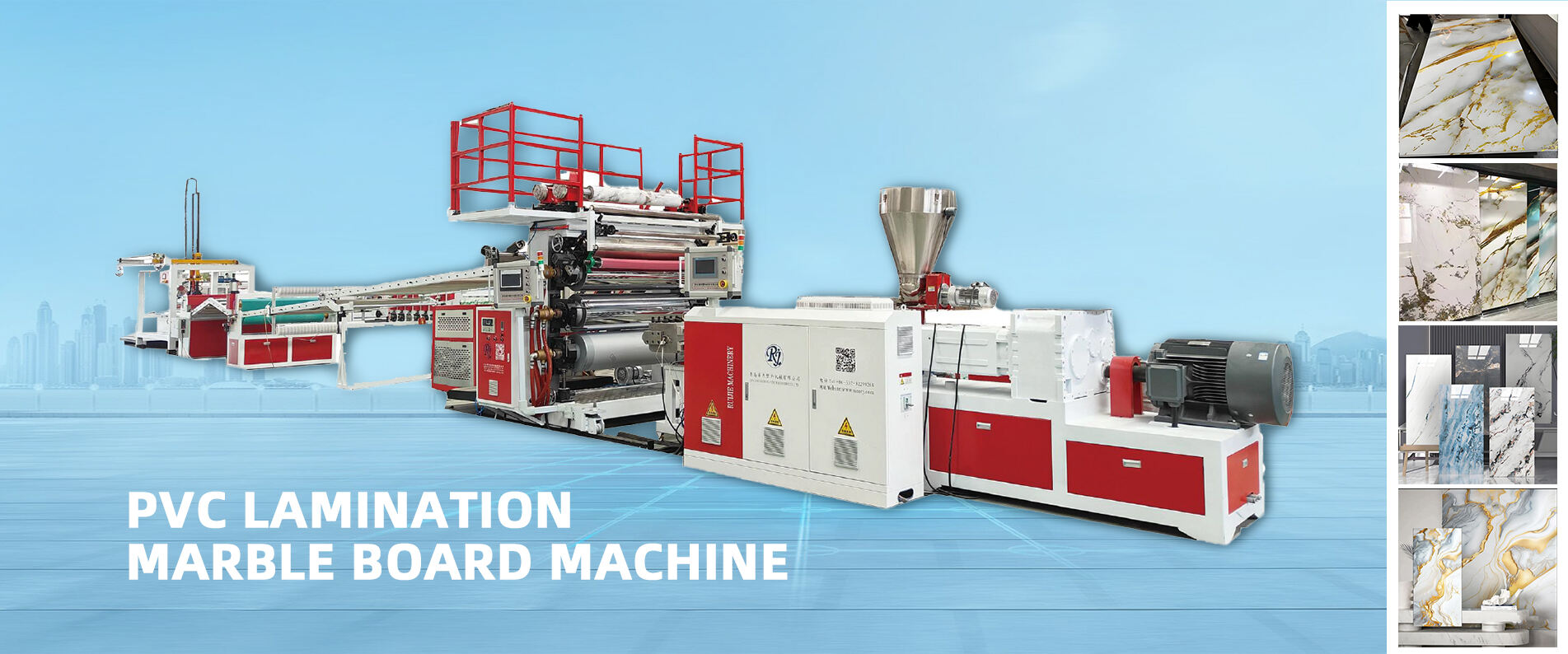
Quomodo Lamina marmorea pvc Comparatio Materialium Ex Linea Productionis ad Lapidem Naturalem et Superficies ex Quartzo
Formatio lapidis naturalis contra productionem lamellarum ex quartzo confecto et ex marmore PVC
Lapis naturalis formari miliones annorum immutat in processibus geologicis Terrae, quod singulis fragmentis suam specialem mixtionem mineralium et pulchras venarum figuras dat. Contra, structura cuarzi artificialis aliter operatur. Fabricantes circiter 90–93 centesimas partes trituri cuarzi miscunt cum polymere et colorantibus, simul premitur ad altas temperaturas. Pro laminis marmoris PVC, polyvinylchloridum cum diversis additamentis mineralibus et stabilizatoribus miscent, deinde formant per methodos ut extrusio vel calandratura, ut videantur similis lapidi vero. Sane nihil superat historiam authenticam lapidis naturalis, sed haec elementa facta a homine suis etiam praemiis gaudent. Coloribus et figuris constantibus utuntur in magnis proiectis, quod lapis naturalis praestare non potest in tantis spatiis.
Principales componentes materiae compositae: Resinae, implumina, et tractationes superficiei
Prestatio superficierum artificiosarum valde pendet a modo compositionis earum. Accipe superficies crystalli, quae plerumque resinas polysters vel acrylicas miscent cum particulis naturalibus crystalli ad creandum valde duram, non porosam superficiem quae facile maculari non potest. Pro marmore artificio, fabricantes generaliter miscent resinas polysters insaturatas cum carbonato calcico vel alluminio trihydrico ut substantia implens. Quod attinet ad laminas marmoris PVC, polyvinyl chloride materiem primariam format, saepe combinatam cum circiter 40 ad 70 pro cento carbonati calcici ex pondere. Hodiernis temporibus plerique fabricantes etiam addunt tractatus superficiales, res sicut tecta protectionis UV et strata resistentia abrasionibus auxiliantur his materialibus ut diutius durent sine amissione speciei suae bonae. Multi vero clientes peculiarem rationem habent de hisce rebus eligendis materialibus pro culinis et lavacris.
Structura non porosa et praecellentiae hygienicae superficierum artificiosarum
Processus fabricandi hanc superficiem technicam producunt, quae omnino non porosam est, itaque praestat re vera in puritate comparata cum lapidibus naturalibus, qui porosi esse solent. Optiones naturales, ut marmor et granitum, opus habent tractationibus obsignandi perpetuis, ut impediant microbios intra poros suos crescere. Superficies ex vitro factae et illae quae ex marmore artificioso fiunt bacteria penitus non permittunt intrare. Investigatio significat has materias non porosas posse bacterium vivum paene 99,9% minuere, comparatas cum lapide naturali non tractato. Ob hanc causam laminas marmoreas PVC una cum mensis ex vitro factis optime locum obtinent in hospitalibus, culinis ad cibum parandum deservientibus, ac locis ubi multa humiditas est, ubi maxime interest res siccās et mundas servare.
Durabilitas et Efficacia in Applicationibus Rebus Gestis
Resistentia ad scissiones, maculas et calorem: Marmor artificiosum vs vitrum vs granitum
In locis occupatis ubi superficies constanti usu tractantur, resistentia ad scrobes, protectio a maculis et modus tractandi caloris factores valde importunos efficiunt. Lapis crystallinus hic excellit quia duritiem inter 7 et 8 in scala Mohs habet, quod significat eum duritiorem esse quam granitum, qui in eadem scala inter 6 et 7 numeratur. Differentia etiam clarius apparet cum cum laminis marmoreis PVC comparatur, quae in scala duritiei tantum ad 3 vel 4 perveniunt. Superficies compositae generaliter multo melius a maculis resistunt, quia non absorbent liquores sicut lapides naturales, itaque non opus est eas regulariter sigillare. Tamen resistentia calori per materiales valde variat. Granitus valde intensum calorem ferre potest, usque ad 480 gradus Celsius sine difficultatibus sustinens. Lapis crystallinus etiam bene resistit usque ad circiter 150 gradus Celsius, ubi resina signa stressis ostendere incipere potest. Laminas marmoreas PVC calidis conditionibus prope tantum durare non possunt, solent enim inter 60 et 80 gradus Celsius frangi incipere.
Usus diuturnus in culinis et lavacris: Conservatio et senectus
Quae hae materiae opus habeant tempore demonstrat magnas differentias quoad curam. Marmor sigillandum est circiter semel aut bis in anno, granitum vero tres ad quinque annos possit extendi antequam alia tectio opus sit ut maculae fugentur. Alia res est cum vitro crystallino et laminis marmoreis PVC: natura sigillata manent nullaque opera addita opus est. Balnea superficies saepe graviter premunt quia humore cotidie exponuntur. Ibi marmor PVC vere elucet: facile non torquetur nec corrumpitur, quare multi eum pro docibus et lavatoriis deligunt. Culinariae paululum aliam rem praebent. Vitrum crystallinum ibi optime valet, vix ulla cura indigens, nisi ne solis lumine caveatur: si diu directo lumine expositum sit, colores evanescere possunt. De rebus PVC? Color manet constans sive camera clara sive obscura sit, quod multum refert in locis ubi lux per diem mutatur.
Flexibilitas Aesthetica et Tendendi Designandi cum Lamina marmorea pvc et Superficies Ingeniosae
Aspiratio ad effingendum marmoreum naturalem per adaptationem laminarum marmorearum PVC
Gratias actas progressui in technologia impressionis digitalis, hodie laminas PVC marmoreas imitari possunt venas complexas et texturas superficiales marmoris veri satis bene. Lapis naturalis semper fuit difficilis quia nullae duae tabulae inter se eodem modo videntur, sed haec subrogata facta a homine offerunt constantiam figurarum, quae eos maxime aptos reddit pro magnis opibus ubi omnia perfecte congruere debent. Architecti et designatores interiorum hanc praedictibilitatem amant, quoniam minuit difficultates in planificatione installationis. Praeterea, adaptatio iam non tantum ad visum se restringit. Fabricantes nunc varia magnitudina laminarum et crassitudines offerunt, ut illae diversis specificiationibus aedificandi vel necessitatibus specialibus designandi satisfaciant, sine qualitate amissa.
Optiones coloris, venationis et finitionis: Constantia contra variationem organicam
Lapis naturalis suum habet decus cum omnibus hisce formis fortuitarum, sed laminæ marmoreæ PVC aliud offerunt – constantiam inter catervae, quae valde importat in magnis proiectis ubi similis aspectus ubique necessarius est. Hae marmora synthetica multitudinem colorum habent, a Candidis Carraricis traditis usque ad profunda Nigra Nero Marquina. Etiam complura tractamenta superficiei offeruntur, ut splendor lucidus, opacitas matescens, vel etiam quaedam texturae mirabiles. Quod ad recentes tendentias in arte interiori spectat, plures homines nunc potius matescentes eligere videntur, tam in domibus quam in tabernaculis, quod reflexiones minuuntur dum tamen formae venarum artificiosae clarius apparent. Cum haec in fabricis sub rigidis moderationibus fiant, eventus semper praedictabilis obtinetur. Haec cum lapide vero pene imitari non potest, quia nullae duae tabulae exacte eodem modo videntur.
Efficacia pretii et valor totius possessionis
Cum materias superficiales aestimantur, pretia initio persoluta claram differentiam ostendunt: laminas marmoreas PVC sunt maxime admodum, quartz mediae sunt, et lapis naturalis praemia summa exigit propter extractionem, transportem, et costes fabricationis. Tamen, emptores prudentes totam proprietatis impensam considerant, quae installationem, conservationem, et duraionem includit.
Pretia initio: lamina marmorea PVC et quartz versus lapis naturalis
Installationis difficultas profecto augere conatur sumptus proiecti. Quod attinet ad lapides naturales, instrumenta speciale necesse sunt una cum operariis qui sciunt quid agant. Mercede mercede tendunt ad surgendum locum de circiter 30% ad fortasse etiam 50% altiorem quam alia materia, sic dicunt homines negotii. Lapis adhuc aliquid est quod professores tractare debent, licet non tantum caedendi et formandi opus sit in loco. Laminae marmoreae PVC tamen rem multo faciliorem reddunt. Multi domini domorum eas satis facile tractandas esse inveniunt, quod mercedem operariorum carissimam dimidio fere minuere potest si cum lapide vero comparatur. Profecto eventus variant secundum situationem particularem et peritiam involvendam.
Installation, sigillatio, et sumptus cycli vitae: Impensae occultae materialium naturalium
Contra naturalem lapidem saepe domus dominis imprecatio est de continuo curae onere. Contra, opere factitiis ex PVC vel quarzo facile non maculantur necesse speciale tractamentum. Sed lapis naturalis alia res est. Marmor saepius sigillandum est semel bisve in anno, granitum autem melius resistit sed tamen sigillandum est circiter omni tribus quinisque annis. Id per tempus accumulatur. Et tum est problema cum rebus acidis ut succus citri aut acetum quae superficiem lapidis naturalis vere possunt corrumpere, quod significat opus esse operariis ad resuperficies faciendas. Superficies autem factitiae vix plus quam communi mundificatione bonam speciem retinent. Cum in pluribus annis respicimus, haec genera factitia plerumque pecuniam salvant longo tempore licet aliquibus initio magis constent.
Optimae Applicationes ad Utramque Superficiem: Ab Officinis ad Loca Commercialia
Ideales usus pro laminis marmoris artificialis in locis ubi multum humorem et multum frequentiae habetur
Laminae marmoris PVC valde bene funcionant in locis ubi siccitas servanda et facilitas in conservando maxime interest. Quoniam haec materia aquam non absorbent ob superficiem non porosam, optime aptantur pro mensis lavandis in balneis, circa doces, et etiam retro clibanos in officinis. In aedificiis commercialibus quoque ubique videntur—ad ostia hotellos, ad mensas ministerii in tabernis, in aedificiis hospitalium—prorsus in quibuscumque locis homines aliquid pulchrum sine purificatione continua desiderant. Haec laminarum circulos ex caffea, casus vini, et detergentia aspera sustinent nullis tractationibus speciale opus habentibus. Praeterea, quoniam leviores sunt quam lapis verus, imponere eas in parietibus magnis aut per omnes pavimenta minus tempus et pecuniam consumit quam optiones traditae.
Quo loco chalces excellit: Mensae praeciosae domesticae et parietes
Domini domorum, qui aliquid et luxuosum et utile desiderant, saepe superficies ex vitro eligunt. Fabrica materiae ei mirabilem resistentiam ad scindendum et calorem dat, quae eam optime aptam reddit pro rebus ut extera cauponarum, magnis insularum structuris, etiamque lavatricibus in balneis ubi umor negotium est. Hodie vitrum in multitudine colorum diversorum venit, praeterea consistentem vena figuram per totam habet. Contrario quam apud lapides naturales, nulla erunt inopinata variationes colorum nec defectus post installationem apparentes. Alius magnus praemium est, quam facili sit purganda. Quoniam vitrum nihil absorbet, bacteria neque in tabulis caedendis neque iuxta lavacula manere possunt. Simpliciter deterge aqua cum sapone et facto est! Nulla cura necessaria de applicationibus sigillantium regularibus, sicut dominos graniti et marmoris omni tribus mensibus habere solent.
Crescens adoptio superficierum compositarum in arte interna commerciali
Lapis sinterizatus et alia materia composita facta sunt optiones populares in locis commercialibus propter durabilitatem et varietatem descriptiva. Ex recenti relatione anni 2023 apparet fere duos tertias omnium novorum proiectorum hotelariorum et mercatuum hodie continere aliquas superficies artificiales in locis ut contrata, parietes ornatos et mensae restaurantorum. Quae hos materiales praestare facit est facilitas installationis sine iuncturis visibilibus, simulque possunt secari ad aptandum ad ferme omnes dimensiones. Aliquot etiam habent proprietates speciales, ut protectionem contra radiatos UV in installationibus externis vel resistentiam intrinsecam contra microorganismos in aedificiis medicinis necessariis. Hae res amantur non solum quod similes videantur vero lapidi aut ligno, sed etiam quod melius sustineant per tempus et pecuniam conservent in longo cursu. Propterea eas videmus ubique ex terminalibus aeroporticis usque ad aedificia officiorum per totum mundum.
FAQ
Quae est praecipua differentia inter lapidem naturalem et superficies artificiales velut quartz et Laminas Marmoris PVC ?
Lapis naturalis per processus geologicos per annos millions format, offerens combinationes mineralis unicas et figuras venarum. Superficies artificiales, velut quartz et laminas marmoreas PVC, ex mineralibus confractis, resinis et colorantibus conficiuntur ad figuras constantes et durabilitatem.
An superficies artificiales sanitati magis conducunt comparata cum lapidibus naturalibus?
Etiam, superficies artificiales non porosi sunt, bacteriae penetrationem impediunt. Investigatio ostendit eas praesentiam bacteriarum prope 99,9% reducere posse comparata cum lapidibus naturalibus non tractatis.
Possuntne laminas marmoreae PVC speciem marmoris veri imitari?
Gratias technologiae impressionis digitalis, laminas marmoreae PVC figuras venarum complexas et texturas superficiales marmoris naturalis cum constantia figurae feliciter imitari possunt.
Estne quartz idoneus mensis culinae?
Quarzum est optima electio pro contraxis culinae ob resistentiam abrasionis et caloris, consistentem venationem et superficiem non porosam, quae eam facilem ad purgandum et servandum reddit.
Index Rerum
- Quomodo Lamina marmorea pvc Comparatio Materialium Ex Linea Productionis ad Lapidem Naturalem et Superficies ex Quartzo
- Durabilitas et Efficacia in Applicationibus Rebus Gestis
- Flexibilitas Aesthetica et Tendendi Designandi cum Lamina marmorea pvc et Superficies Ingeniosae
- Efficacia pretii et valor totius possessionis
- Optimae Applicationes ad Utramque Superficiem: Ab Officinis ad Loca Commercialia
-
FAQ
- Quae est praecipua differentia inter lapidem naturalem et superficies artificiales velut quartz et Laminas Marmoris PVC ?
- An superficies artificiales sanitati magis conducunt comparata cum lapidibus naturalibus?
- Possuntne laminas marmoreae PVC speciem marmoris veri imitari?
- Estne quartz idoneus mensis culinae?
