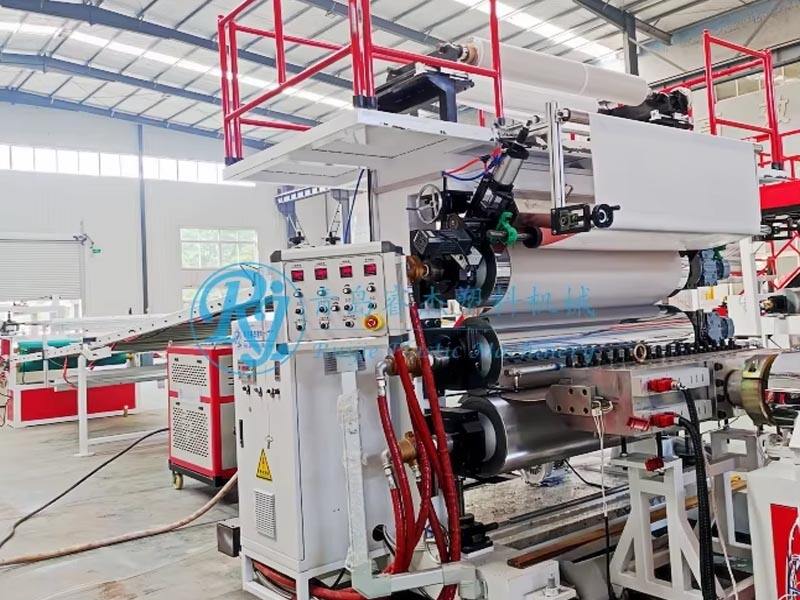
Understanding Natural Marble Veining for Decorative Materials and Marble Sheet Machine Applications
What Is Marble Veining and How It Forms Naturally
The veins we see in marble are actually complex patterns of different minerals that develop inside the stone over countless millennia. What happens is that various mineral filled liquids like clay, silt, sand particles and iron compounds get into the cracks of limestone rocks deep underground where there's lots of heat and massive pressure building up. When these foreign materials start to solidify, they form those beautiful flowing lines that look so natural but are actually quite unique across different slabs of marble. No two pieces ever end up looking exactly alike, which makes them special for anyone working on architectural projects or interior designs where uniqueness matters a lot.
The Impact of Stone Cutting Techniques on Veining Appearance
How marble looks when it comes to those beautiful veins really hinges on the cutting method used during extraction. When stones get cross-cut, we see those round or cloud shaped patterns because the blade goes against the grain. Vein cutting works differently though—it follows along with how nature made the stone, keeping those long flowing lines intact. There's also something called book matching where two slabs next to each other look like pages from a book flipped open, which makes everything flow together better visually. Depending on which technique gets applied, marble veins can either stand out boldly or blend in softly across surfaces. This matters a lot for interior design since these veins basically dictate the overall look and feel of any space they're installed in.
Stone Veining Patterns and Their Visual Impact on Design
The way marble veins run through stone has a real impact on how spaces feel and look together. Big bold veins grab attention and create movement in a room, almost like they're telling a story across the surface. Finer veins work differently though, bringing in that quiet sophistication that ties everything together without shouting about it. A recent survey from the Natural Stone Design folks showed something interesting too - around four out of five interior designers put veining patterns right at the top of their checklist when picking materials for upscale projects. These vein patterns do more than just look good. They change how light bounces off surfaces, alter our sense of space size, and determine whether different materials will actually work well together. For manufacturers trying to recreate real marble using machines like the marble sheet production system, getting these vein patterns right is absolutely critical if they want their products to pass as genuine.
Mastering the Marble Sheet Machine for Precise Pigment and Vein Control
How the Marble Sheet Machine Controls Pigment Distribution for Uniform Color
Marble sheet machines achieve consistent coloring thanks to their precision dosing systems which meter pigments into the polymer matrix at the micron level. The twin screw extruders do a great job of blending everything together so there are no visible streaks, keeping the color evenly saturated throughout each sheet. Special temperature controlled sections help stop the pigments from breaking down during the extrusion process, which means colors stay true from start to finish. These machines really outperform older techniques when it comes to matching batches, something absolutely critical for big architectural installations where even slight color variations can be a problem in finished structures.
Adjusting Flow Rates and Pressure to Mimic Natural Veining in UV Marble Sheets
Getting those natural looking random effects requires adjusting flow rates and extrusion pressures anywhere from about 50 to 200 bar. These adjustments create different viscosities that result in those beautiful branching veins we see in real stone rather than those straight line streaks that look completely artificial. The whole point is this controlled variation lets UV treated marble sheets really grab onto that complex depth and all those little irregularities that make real quarried stone so special. After everything gets cured under UV lights, the patterns stay put forever. No fading happens over time and details remain crisp without any distortion issues. Most modern production lines have digital control panels where they can save working settings. This means manufacturers can recreate their signature looks again and again, whether it's something like classic Calacatta or traditional Carrara styles that customers love.
Role of Advanced Vein Simulation Technology
When we scan actual marble slabs at high resolution, we get these detailed vein maps that feed into our pattern generation algorithms. The big advantage here is no more repeating patterns across different sheets. Each piece keeps its own distinct character but still fits within whatever design scheme someone wants to create. The system actually adjusts how thick the pigments are mixed and when they're injected into the material. This lets us mimic the natural depth and transparency of real marble, plus those complex layers that used to require skilled hands working for hours. What's really cool is that all this automation doesn't kill the artistry. Instead, it makes those premium marble looks possible for regular commercial projects too, without losing that authentic feel people expect from quality stone work.
Achieving Seamless Aesthetic Continuity with Book-Matching Techniques
When panels are book matched, they create mirror image patterns that look really seamless and balanced, almost like looking at actual natural stone slabs. The process involves cutting a single printed or decorative sheet in half and then lining them up just like opening a book. Manufacturers do this so the veins run continuously across the surface, which adds depth and makes things feel more luxurious. We see this technique all over now on countertops, backsplashes, even whole feature walls. It turns ordinary surfaces into something special for homes as well as businesses looking to make a design statement without breaking the bank.
The Book Matching Method for Marble: Principles and Execution
Getting good book-matching started really depends on finding or creating those balanced, symmetrical vein patterns first. With modern marble sheet machines, technicians have pretty fine control over how veins run through the material, how thick they appear, and where they spread out. When cut properly and then flipped over, what comes out looks like one continuous piece rather than two separate halves. The technique shines particularly bright when working with digital prints or film applied surfaces. These materials let manufacturers keep consistent patterns throughout big batches of stone, which means architects can go ahead and design those massive wall panels without worrying about seams breaking up the look every few feet.
Marble Vein Matching Techniques for Seamless Aesthetic Continuity
Getting that seamless look really depends on getting multiple things right at once. The patterns need to match, sure, but so does the grain direction, the color tones, and even the scale of details. These days, manufacturers have machines that can tweak how pigments are layered and control the way veins run through materials, which helps make those transitions between different panels feel much smoother. When installed properly, whether it's going up walls as cladding or across tables in horizontal installations, this kind of precision makes each sheet blend together instead of standing out separately. What starts as just practical building material becomes something with real visual impact, turning ordinary surfaces into statement pieces throughout buildings.
Common Challenges in Book-Matching and How the Marble Sheet Machine Solves Them
When things get out of line because of printing problems, cutting errors, or differences in material thickness, it really messes with how everything looks together. Modern marble sheet machines tackle this problem through some pretty cool tech like built-in optical registration systems that keep things aligned, laser guided cutters for precision work, plus constant quality checks during production. All these features help keep patterns straight from start to finish. Less waste gets thrown away, and those intricate vein patterns stay consistent between panels so they look like part of the same big piece instead of separate slabs stuck together.
Enhancing Vein Definition Through Digital Printing and Decorative Film Innovation
Digital Printing Technology for Custom Marble Patterns
The arrival of digital printing has completely changed how we approach custom marble designs. Now we can create detailed patterns that would have been impossible back when everything was done manually. The colors come out so accurately and the resolution is just amazing, capturing those tiny gradients and veins that make real stone look so natural. Designers love being able to tweak things like how saturated the colors are, adjust vein thickness, or change how the patterns flow through the surface. These small changes let them craft something truly unique for each project they work on. Traditional methods leave behind a lot of waste, but digital systems cut down on that by around 30% as per some recent industry data from 2024. Plus, every piece comes out looking exactly the same no matter how many copies need to be made.
Decorative Film Application in Marble Sheets: Enhancing Vein Definition
Decorative films really bring out those vein details because they create tiny texture changes that play with light just like actual stone surfaces do. Once applied to the base material, these films give printed designs extra depth, cast shadows in interesting ways, and even feel different to the touch. Many come with special coatings that fight off fading from sunlight, so colors stay vibrant much longer than regular prints would. Playing around with matte versus glossy areas helps highlight certain vein patterns too, which makes everything look more realistic when viewed up close. And there's another bonus nobody talks about enough these days scratch resistant properties mean less wear and tear over time. That's why commercial spaces with lots of foot traffic tend to prefer them for countertops and wall panels despite what most people assume about decorative materials being purely ornamental.
Customization of Marble Sheet Designs Through Programmable Machine Settings
Today's marble sheet machines come equipped with digital controls that let users adjust everything from flow rates to how intense the curing process is, plus manage layer deposition settings. Skilled operators tweak these settings to create those distinctive vein patterns that make each piece look so natural, and they can save their favorite configurations for later projects. What this means in practice is that manufacturers stay ahead of changing design preferences and meet specific customer requests without compromising on the authentic look people expect when paying top dollar for premium quality marble surfaces.
Optimizing UV Curing and Production Workflow for Premium Marble Sheet Quality
Step-by-Step Workflow in the Production of UV-Cured Marble Sheets
Making UV cured marble sheets requires following a pretty specific process. To start with, manufacturers blend base materials together with various pigments until they get just the right color consistency throughout. Once ready, this mixture goes into the specialized marble sheet machine where those beautiful vein patterns form through carefully adjusted flows and pressures. After that comes the curing stage when the sheets move beneath powerful UV lights. These lights kick off what's called a crosslinking reaction which basically hardens everything up within about half a minute or so depending on how thick the sheet happens to be. What we end up with is something really tough stuff that resists scratches while still showing off all those intricate vein details. Before any sheet gets packaged though, quality control folks check each one thoroughly looking for flaws in the coating, making sure colors are even across the whole surface, and verifying that the patterns match exactly what was intended.
Controlling Curing Speed and Light Intensity to Preserve Vein Clarity
Getting the right balance in UV curing is essential when working with delicate vein structures. If there's not enough light intensity, the material won't cure properly throughout. On the flip side, going too fast through the process often results in cloudy spots or blurry details. Modern equipment comes equipped with adjustable UV lamps ranging from around 200 to 600 watts per square centimeter, plus variable line speeds between roughly 2 to 5 meters per minute. These adjustments let technicians fine tune the polymerization process so those intricate design elements stay undistorted. When everything is calibrated correctly, it stops all sorts of surface issues from appearing, and keeps those veins looking clear and crisp right after they've been cured.
Balancing Efficiency and Artistry in Mass Production of Marble Sheets
Modern marble sheet machines strike a balance between getting things done fast and creating beautiful products, churning out anywhere from 300 to 500 sheets each day. That's way ahead of what old fashioned techniques could manage, which typically maxed out at around 50 to 100 sheets per day, all while keeping those looks pretty consistent across batches. The programmable features let factories copy successful patterns over and over again, cutting down on the time needed for setup and minimizing differences between products. Smart companies actually keep about 20 to 30 different designs ready to go, changing small details here and there during production runs so nothing looks too samey. This system gives businesses the cost savings of large scale manufacturing but still keeps that unique, natural feel people expect from high end marble countertops and flooring installations.
FAQ
What is marble veining?
Marble veining is the complex patterns of minerals that develop in marble stones over thousands of years due to the infiltration of mineral-filled liquids into the cracks of the limestone rocks under heat and pressure. These unique flowing lines enhance the visual appeal of the marble.
How do stone cutting techniques affect marble veining?
The cutting method influences the appearance of marble veins. Cross-cutting creates round or cloud patterns, whereas vein cutting maintains the long flowing lines present in natural stone. Techniques like book matching can create seamless visual continuity across surfaces.
Why are veining patterns critical in interior design?
Veining patterns significantly impact spatial perception by affecting light reflection and influencing design aesthetics. These patterns are key considerations for interior designers when selecting materials, as they enhance the visual impact and elegance of spaces.
How do marble sheet machines control vein and pigment distribution?
Marble sheet machines use precision dosing systems to ensure consistent color saturation and control pigment distribution at micron levels. They adjust flow rates and pressures to mimic natural veining, resulting in realistic and unique patterns.
What is book matching in marble design?
Book matching involves cutting a decorative sheet in half and placing them against each other to create mirror image patterns, resulting in a seamless and luxury appearance across surfaces.
How has digital printing impacted marble design?
Digital printing allows for the creation of intricate and custom marble patterns with high resolution and accurate color replication. It reduces waste and enables the production of unique designs that match client preferences.
What role do decorative films play in marble designs?
Decorative films enhance vein definition by adding texture, depth, and shadow effects. They include coatings that prevent fading and offer scratch resistance, making them ideal for commercial spaces.
Table of Contents
- Understanding Natural Marble Veining for Decorative Materials and Marble Sheet Machine Applications
- Mastering the Marble Sheet Machine for Precise Pigment and Vein Control
- Achieving Seamless Aesthetic Continuity with Book-Matching Techniques
- Enhancing Vein Definition Through Digital Printing and Decorative Film Innovation
- Optimizing UV Curing and Production Workflow for Premium Marble Sheet Quality
-
FAQ
- What is marble veining?
- How do stone cutting techniques affect marble veining?
- Why are veining patterns critical in interior design?
- How do marble sheet machines control vein and pigment distribution?
- What is book matching in marble design?
- How has digital printing impacted marble design?
- What role do decorative films play in marble designs?
