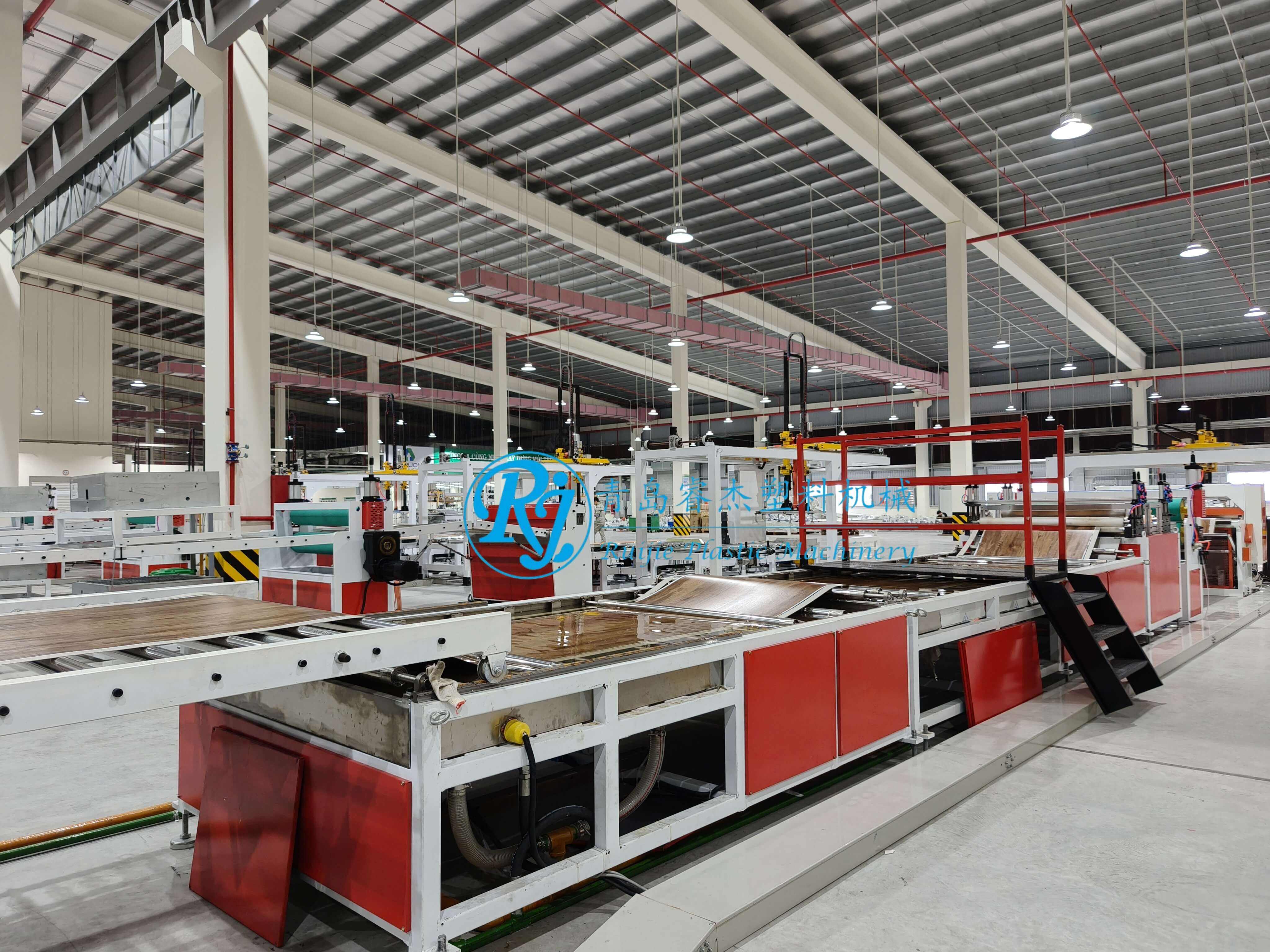
Core Components of SPC/LVT Floor Production Lines
Mixing Systems for Material Precision
Getting the mix right matters a lot when making SPC and LVT flooring products because getting the ingredient proportions wrong can ruin the whole batch. Today's mixing equipment like high shear mixers and batch mixers helps create materials that are uniform throughout, which makes all the difference in how well the final product performs. Most good quality systems stick pretty closely to what the industry considers standard specs for materials, which actually saves time on the factory floor. Take high shear mixers for instance they really get those ingredients dispersed properly throughout the mixture so every plank comes out looking and performing the same. On the flip side though, if something goes wrong during mixing, companies end up with defective boards, wasted raw materials, and serious money problems down the line. That's why smart manufacturers spend the extra bucks on better mixing tech not just to avoid headaches but also to keep their production lines running smoothly without constant interruptions.
Extrusion Units and Temperature Control
The extrusion unit remains key to forming both SPC and LVT flooring materials through the actual extrusion process itself. Getting good results depends a lot on how materials flow into the machine and the specifics of the die geometry that shapes them properly. Keeping temperatures stable inside these machines matters a great deal, particularly for materials that break down easily when exposed to heat fluctuations. Newer tech like multi-layer extrusion setups brings something different to the table for manufacturers looking to stand out from competitors. When plants manage temperatures right, they see faster production runs, less scrap material going to waste, and lower energy bills overall. All this points to why proper thermal control isn't just important but essential for making quality floors without breaking the bank on manufacturing costs.
Calendering and Embossing Techniques
The calendering process plays a key role in determining how thick and textured SPC and LVT flooring ends up being. Without proper calendering, manufacturers wouldn't achieve those precise looks and performance characteristics that customers expect from modern flooring solutions. Then there's embossing which takes things even further. It adds all sorts of interesting textures and patterns that really catch the eye when installed in homes or commercial spaces. Manufacturers who invest in better calendering equipment and creative embossing techniques tend to stand out in the marketplace. We've seen this happen time and again with companies that upgrade their machinery seeing real improvements in how their products compare against competitors. Keeping tight control over quality throughout these processes matters a lot too. Small inconsistencies in pattern depth or finish quality can make otherwise good products look cheap, so most serious producers build multiple checks into their production流程 to maintain standards across batches.
Cutting and Packaging Automation
Getting the cuts right on SPC and LVT production lines matters a lot when it comes to maintaining those tight tolerances required for quality products. That's why most facilities invest in high precision cutting equipment for this stage. When it comes to packaging systems, bringing in automation really speeds things up and cuts down on what companies spend on manual labor. We're seeing more manufacturers adopt laser cutting tech alongside robotic arms throughout their production流程这些技术整合到切割和包装过程中后,效率提升非常明显。工厂里的实际运行数据显示,优化后的切割包装流程不仅缩短了订单交付时间,客户满意度也跟着上去了,同时运营成本还能压下来不少。那些率先采用这些先进技术的企业普遍反映,他们的生产周期明显缩短了,利润率也有显著提升,这在当前竞争激烈的制造业环境中确实是个不小的竞争优势。
Key Factors in Selecting a Production Line
Assessing Factory Scale and Output Requirements
Getting the right scale for a factory and figuring out what it needs to produce is pretty important when setting up an SPC/LVT production line. Production lines need to match both the actual space available in the factory and how much stuff they want to churn out each day. When trying to predict how much output will be needed, looking at what customers actually want in the market makes sense, but don't forget to check what the factory itself can handle internally too. Things like how fast products move through the system (throughput) and how much gets wasted during manufacturing tell us a lot about whether operations are efficient for the given factory size. Take industry standards into account - smaller lines making around 500 to 800 units per day typically require completely different setups compared to big custom production facilities. That means spending some serious time analyzing all these factors before jumping into any major investments ensures resources get allocated properly without wasting money on unnecessary equipment.
Automation Levels and Technology Integration
When looking at automation for SPC/LVT production lines, manufacturers need to consider different levels ranging from completely automated operations down to partially manual setups. The main benefits of going automated include saving money on wages, getting better precision in manufacturing, and making workplaces safer overall. But bringing in those fancy Industry 4.0 tech elements such as IoT sensors and AI systems isn't always straightforward. Getting all these components to work together smoothly remains a big challenge for many plants. According to various industry studies, companies that invest in automation typically see their production output go up while expenses come down. Take packaging lines for example – some factories have managed to cut labor costs by around 60% after implementing automated solutions. These real world results show why so many manufacturers are now seriously considering automation despite the initial investment required.
Compliance with International Standards
Meeting international manufacturing standards matters a lot for companies in the SPC/LVT sector if they want to deliver safe, high-quality products. Organizations like ISO and ASTM set rules that really influence whether products get sold on global markets. For manufacturers, following these standards means they can produce goods consistently from batch to batch without quality drops. Many industry insiders warn about what happens when companies skip compliance checks. There have been cases where factories faced hefty fines, got hit with import taxes, or simply couldn't sell their goods in certain countries because they failed inspections. Looking at actual market data shows something interesting too. Companies that stick to these standards tend to build better relationships with customers over time. Their products gain reputation for reliability, which makes them stand out against competitors who cut corners. This creates a real business advantage in crowded international markets.
Evaluating After-Sales Support Networks
Good after sales support really matters when it comes to getting the most out of SPC and LVT production lines over time. What works best? Training sessions that actually stick, routine checkups to keep things running smoothly, plus easy access to replacement parts when needed. Want to know how good the support really is? Look at what customers are saying online. The numbers don't lie either – companies with solid support programs tend to experience less downtime and run their operations better overall. Take a look at manufacturer case studies and patterns emerge between strong support structures and happier clients who stay around longer. When businesses focus on dependable after sales service, they not only avoid costly stoppages but also fix problems faster, which means production lines keep humming along without interruption and deliver results year after year.
How to Choose the Right SPC/LVT Floor Production Line for Your Factory
When it comes to picking an SPC/LVT floor production line, there are several things manufacturers need to consider first. Space available for installation, expected output levels, and what kind of tech features are needed all play into the decision making process. Among companies in this field, Qingdao Ruijie Plastic Machinery has built a strong reputation over years of operation. They offer equipment that actually works well on factory floors, not just fancy machines sitting unused. What sets them apart is their ability to handle everything from small scale operations to large volume production runs without compromising on either end. Take their mixing systems for instance these have become pretty standard across many facilities because they just work reliably day after day. Plus, their extrusion units integrate modern controls that most competitors haven't caught up with yet. The company provides real world support too, helping clients tailor their production lines exactly how they want them. Many businesses report significant improvements in workflow efficiency once they switch to Qingdao Ruijie equipment, plus products tend to come out looking better and meeting those tough industry specs consistently.
Cost Analysis and Budget Planning
Upfront Investment for Different Production Scales
Setting up SPC/LVT production lines comes with different price tags based on how much product needs to be made each day. Small operations that produce around 500 to 800 square meters daily generally cost between six hundred eighty thousand dollars and one million two hundred thousand dollars to get started. When scaling up to medium size production at 1500-2000 square meters per day, manufacturers should expect to invest somewhere between eighteen hundred thousand and two million eight hundred thousand dollars. The big boys who want to crank out over three thousand square meters every day face even bigger expenses, sometimes going past three million five hundred thousand dollars for their custom built lines. Getting these numbers right matters a lot because what gets spent upfront directly affects whether a company makes money down the road. Looking at all the costs involved equipment, setting everything up properly, plus training staff gives manufacturers a clearer picture when building their financial plans. Real world examples show companies that plan carefully tend to grow faster and stay in business longer than those who rush into things without proper preparation.
Long-Term Operational Cost Factors
After getting a production line running, companies face all sorts of continuing expenses that eat into profits. Think about things like wages for workers, regular maintenance work, raw materials needed day after day, plus the electricity bills piling up. All these little costs add up over months and years, seriously impacting what's left in the bottom line. Take SPC flooring production for example the energy bill alone fluctuates wildly based on how old or efficient the machinery happens to be. Smart manufacturers find ways to cut corners here and there without sacrificing product quality. Looking at what other successful plants are doing helps a lot. Some factories save money by upgrading just one piece of equipment while others negotiate better rates with suppliers. The key is finding those sweet spots where spending less doesn't mean making worse products.
Hidden Expenses in SPC/LVT Manufacturing
When setting up budgets for SPC/LVT production lines, many manufacturers miss those sneaky extra costs that creep up later. Things like compliance fees, surprise repairs, and supply chain hiccups tend to hit wallets harder than expected. Take regulatory compliance for instance – failing to meet local standards might mean paying thousands in fines or dealing with import duties. Equipment failures are another pain point. A machine breaking down without warning means emergency fixes, lost time on the factory floor, and ultimately thinner profit margins. Smart companies build contingency plans into their budgeting process from day one. They look at historical data, talk to suppliers, and factor in buffer amounts for emergencies. Industry reports show plenty of businesses that got burned when they didn't account for these hidden drains on cash flow. Proper budgeting isn't just about numbers on paper; it's about staying ahead of problems before they become crises.
Avoiding Common Pitfalls in Line Selection
Overlooking Regulatory Compliance
When choosing SPC/LVT production lines, many manufacturers miss out on regulatory compliance, which turns out to be one of those really important factors nobody wants to forget. Sticking to regulations means following the law during production and avoiding expensive fines down the road. Companies that ignore these rules might find themselves hit with serious consequences like import tariffs. For instance, non-compliant equipment in Europe gets slapped with an extra charge somewhere between 15% and 20% according to REACH chemical standards. Most consultants we talk to emphasize knowing exactly what compliance looks like for each market where products will be sold. Beyond just getting caught breaking laws, poor compliance hurts brand image and puts companies at risk financially. Looking at real world data, businesses that don't follow regulations end up paying more than just penalties. They deal with production holdups and unexpected expenses too, all of which cuts into profits significantly.
Sacrificing Quality for Lower Initial Costs
Cutting corners on materials and equipment to save money upfront sounds good at first glance, but companies often pay dearly later when products underperform and customers start questioning their brand reliability. Take extruders as an example many manufacturers face. A cheaper model might save about $50k initially, yet these machines typically produce roughly 18% more defects down the line. That means fixing those problems ends up costing far more than what was saved originally. Anyone serious about running a profitable business needs to look beyond just the price tag. Quality matters because it affects everything from bottom line profits to where the company stands against competitors in the marketplace. We've seen plenty of real situations where businesses went for the lowest bid only to find themselves spending extra on repairs, replacements, and dealing with unhappy customers who lost faith in their products' durability. The math just doesn't add up when brand reputation takes hits like that.
Neglecting Factory Layout Optimization
Getting the factory layout right makes all the difference when it comes to boosting production efficiency and keeping materials moving smoothly through SPC/LVT manufacturing processes. When factories get this wrong, things start to fall apart pretty quickly. We've seen plenty of cases where poor layout design creates bottlenecks at key points in the production line, which naturally leads to longer wait times between stages. Most experts recommend looking closely at how space is being used and making sure that each part of the workflow connects properly to the next. Companies that actually take the time to rethink their floor plans often see real improvements in what they produce. Some industry reports point to around 15 to 20 percent better productivity after layout changes, which isn't just impressive on paper but translates into actual savings and faster turnaround times for manufacturers willing to put in the work upfront.
