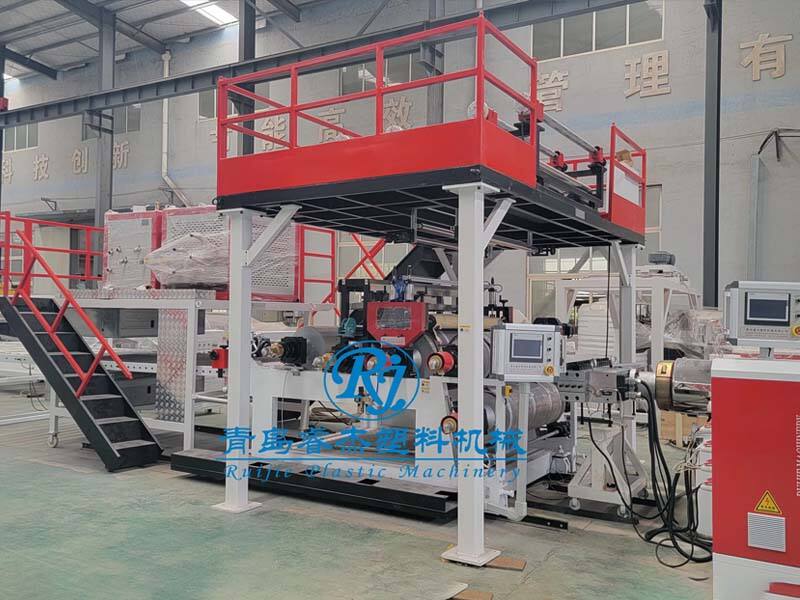
Core Components of SPC and LVT Floor Production Lines
Qingdao Ruijie Plastic Machinery Co., Ltd., a prominent player in the flooring industry, has extensively contributed to the advancements in SPC and LVT floor production. The company offers cutting-edge machinery tailored to streamline production processes, ensuring efficiency and superior product quality.
Base Layer Composition Differences
SPC and LVT floorings are built differently at their core, which gives them different strengths. SPC is made from solid stone plastic composite material that packs quite a punch when it comes to density and stiffness. This construction makes SPC floors really tough stuff, standing up well against dents and impacts over time. LVT takes another approach altogether though. It has those flexible PVC layers that make walking on it feel softer underfoot while also making installation easier in tricky spots. How dense these materials are affects how they handle wear and tear. Take commercial spaces with lots of foot traffic? SPC tends to last longer there because of its density. But if someone has an old house with bumpy floors, LVT might work better since it bends around imperfections without cracking or breaking down as quickly.
PVC Extrusion Process Variations
PVC extrusion works differently for SPC and LVT flooring materials, with distinct approaches needed for each type. When making SPC flooring, manufacturers need tight control over heat levels and pressure during production to get that hard, stone-like feel we expect from this product. Getting this right means the material flows properly through the machine and compacts correctly, which makes the finished floorboards tough enough to last years without warping or breaking down. LVT takes a different approach altogether. The extrusion process here allows for more flexibility since it needs to accommodate those softer top layers that give the floor some cushion underfoot. Material movement and temperature adjustments are quite different between these two products,直接影响ing how bendy they become and how long they'll hold up in actual installations. Most manufacturing guidelines stress just how important getting these details right really is because even tiny changes in temperature or pressure settings can make a big difference in whether the final product meets quality standards or falls short.
Calendering vs. Pressing Techniques
LVT production relies on calendering rather than the pressing methods seen in SPC manufacturing. When making luxury vinyl tile, manufacturers roll the material through heated rollers which gives it uniform thickness and creates that smooth finish everyone looks for. This method opens up possibilities for really detailed designs too, like wood grain patterns or stone textures that look almost identical to the real thing. On the other hand, SPC flooring needs pressing techniques because this is what actually sets the material into its hard, stable form. The pressure applied during this step makes all the difference in how durable the floor will be against everyday foot traffic. According to flooring experts who've studied both approaches, pressed SPC tends to hold up better over time, though calendered LVT wins when it comes to those fancy looks people want in their homes. Flooring companies typically pick one method over the other based on what matters most for each project – whether customers prioritize lasting strength or just love the way something looks underfoot.
Material Requirements in Floor Production Lines
Stone Plastic Composite (SPC) Formulations
Looking at SPC formulations shows how important the mix of stone and polymer really is for these materials. Most standard mixes contain specific amounts of things like calcium carbonate mixed with polyvinyl chloride, which helps make the material resist moisture and stay stable over time. What makes these formulas so good is that they create flooring that can handle pretty rough situations, whether it's constant dampness from humidity or getting trampled by lots of people walking across it all day long. Take flooding as an example situation where regular materials would probably fail badly, but advanced SPC versions actually perform much better, showing hardly any damage at all while keeping their basic structure intact even after water exposure.
Luxury Vinyl Tile (LVT) Flexible Core Materials
Luxury Vinyl Tile or LVT gets its flexibility from special core materials that let it work well across different types of floors. Most of these cores mix good quality vinyl with PVC, which helps insulate sounds and makes walking on them feel better. Floors made this way really cut down on noise problems, so they're great picks for homes as well as offices and stores. Tests show that when manufacturers refine those flexible cores, the tiles last longer and people actually enjoy standing or walking on them more. That's why so many homeowners and building managers keep coming back to LVT options year after year.
Additives for Thermal Stability
Thermal stability additives play a key role in SPC and LVT flooring products, helping them keep their shape even when temperatures go up and down throughout the day. Without these special ingredients, floors would warp or buckle as materials naturally expand and contract with heat changes. Flooring manufacturers know this well from experience, which is why most premium products include these stabilizers. Research conducted over several years has shown certain additives work better than others at keeping floors intact during extreme weather shifts. When looking at how different brands perform side by side, those with quality thermal additives tend to last longer and hold up better in both hot summer months and cold winter seasons. This makes them particularly attractive for commercial spaces where temperature control isn't always perfect.
Production Process Steps Compared
SPC Floor Production Line Workflow
When we look at how an SPC floor production line works, it's all about identifying those important steps and the machines that make them happen. Most operations start with mixing materials together, followed by extrusion processes, then calendaring comes next before everything gets cooled down and cut to size. Every part of this chain matters for keeping things running smoothly while still delivering quality products. Take extrusion for example – this stage relies on some pretty sophisticated equipment to get the right mix consistency and maintain uniform thickness throughout the product. Industry reports show that when manufacturers optimize their SPC production setups, they often see around a 20% boost in speed plus significant reductions in material waste. Cutting down on waste isn't just good for the bottom line either. These savings actually help companies meet sustainability goals too, making smart waste management a win-win situation across multiple fronts.
LVT Flooring Manufacturing Stages
Making LVT flooring involves several key steps that start with preparing raw materials and end with thorough quality checks. Every part of this process plays a role in ensuring good product quality while keeping up with competition in the market. First comes mixing the base materials, then comes the pressing and laminating phase which is super important for how long the floor will last and how it looks. After that there's cutting to size and finally inspecting each piece before it leaves the factory. Pressing and laminating really set the tone for everything else since these steps directly affect both strength and appearance. According to industry stats, around 9 out of 10 products meet all quality requirements when manufacturers stick closely to their standard operating procedures across all production phases. That's why most companies make sure workers follow these guidelines carefully throughout manufacturing.
Curing Time Variations
Looking at how long different types of flooring need to cure shows why this matters so much for production efficiency. The chemistry behind SPC and LVT flooring is just different enough to change their curing requirements completely. SPC generally dries faster, which means factories can produce more units in the same timeframe while still maintaining good quality standards. LVT takes longer to set properly though, something manufacturers have to plan for ahead of time. But wait, those extra hours pay off because LVT ends up being more flexible and able to handle rough treatment better. When materials actually harden during curing, they become less likely to break down under normal usage conditions. Real world testing confirms what we see in labs too products that get cured correctly last longer in customer homes and generate far fewer warranty claims. Understanding these timing differences isn't just theoretical knowledge anymore it directly affects bottom line results for flooring companies big and small.
Quality Control Checkpoints
For companies making SPC and LVT products, finding those key quality control points along the production line makes all the difference when it comes to keeping standards high and reducing defects. Most manufacturers run regular inspections during important stages like when materials get mixed together, during the extrusion phase, after laminating layers, and finally before shipping out finished goods. These routine checks help catch problems much earlier in the process, saving time and money while keeping customers happy. Industry groups like ISO have set clear guidelines on what counts as good quality assurance, so following those recommendations ensures products actually meet both safety requirements and basic quality expectations. Top performers in this field invest in advanced inspection equipment, keep an eye on things constantly throughout production, and stick to recognized global standards. All these steps work together to create stronger defenses against defects slipping through unnoticed.
Application-Specific Production Considerations
Commercial vs Residential Line Configuration
Getting the hang of how commercial versus residential flooring differs matters a lot when setting up production lines. Commercial floors need to stand up to all day long wear and tear from people walking across them constantly. Residential options tend to focus more on looking good and feeling comfortable underfoot, creating those cozy home vibes everyone wants. Looking at what's selling right now shows strong interest in tough, adaptable materials for business environments. SPC flooring has become pretty popular lately because it holds up well against heavy use without warping or cracking. For homes though, most folks go with LVT tiles since they offer that soft texture homeowners love plus come in tons of attractive designs. Because of these different needs, manufacturers have to adjust their production processes accordingly if they want to hit what customers actually want in both markets.
Customization Capabilities
Flooring manufacturers are starting to realize that customization matters a lot these days, particularly when it comes to SPC and LVT products. When companies offer different design choices, they tend to stand out from competitors because people want floors that match their own taste and work well in their spaces. Take Tile Giant for example their SPC and LVT lines come with so many options that customers love them. The numbers back this up too recent surveys show more than half of shoppers would rather buy custom designed floors than generic ones off the shelf. So if a company wants to keep up in today's market, getting those customization features built right into their manufacturing process isn't just nice to have anymore it's practically necessary.
Energy Efficiency in Floor Production
When it comes to making floors, how much energy gets used matters a lot for both the planet and the bottom line. Flooring makers who switch to efficient tech and better practices tend to cut down on carbon emissions pretty dramatically. Some companies have started streamlining their production methods while adding solar panels or wind turbines to their facilities, which cuts energy use across the board. The numbers tell the story too many businesses report saving around 30% on their electricity bills after going green. And this isn't just good for Mother Earth either these savings translate directly into higher profits over time. For tile and laminate producers especially, finding ways to save energy makes sense from every angle.
